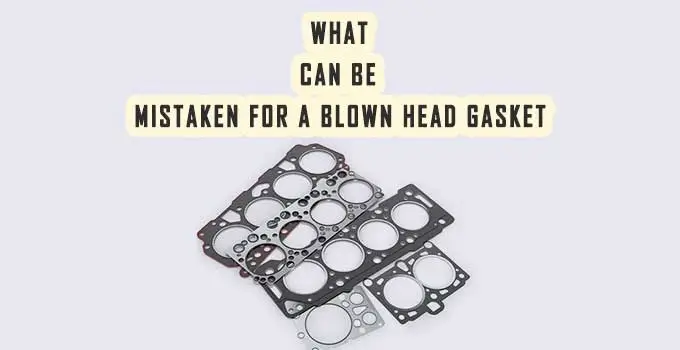
What Can Be Mistaken for a Blown Head Gasket?

By the CarsDailyHub Editorial Team | Automotive writers; every guide fact-checked against OEM service procedures | Updated June 2026
Quick Answer: Several problems mimic a blown head gasket: an external coolant leak, a failing radiator cap, an intake manifold gasket leak, a cracked head or block, a bad oil cooler or (on diesels) a failing EGR cooler, plain condensation in the oil from short trips, a leaking heater core, and turbo seal failure causing smoke. Because head gasket repair is expensive, confirm with a combustion-gas (block) test and a cooling-system pressure test before assuming the gasket is gone.
This guide explains the common faults that get mistaken for a blown head gasket and how to distinguish them. Last reviewed: June 2026.
Table of Contents
- Why Misdiagnosis Is Common
- 8 Problems Mistaken for a Blown Head Gasket
- Symptom-by-Symptom: What Else It Could Be
- How to Confirm a Real Head Gasket Failure
- Frequently Asked Questions
- Sources & References
Why Misdiagnosis Is Common
A blown head gasket has dramatic symptoms, white smoke, overheating, coolant loss, milky oil, but every one of those symptoms can be produced by something else, often something far cheaper to fix. People see white exhaust on a cold morning or milky residue on the oil cap and assume the worst. Because the repair is costly, jumping to conclusions can lead to an unnecessary, expensive job. The smart move is to know the look-alikes and confirm before committing.
8 Problems Mistaken for a Blown Head Gasket
| Look-alike problem | Mimics this head-gasket symptom |
|---|---|
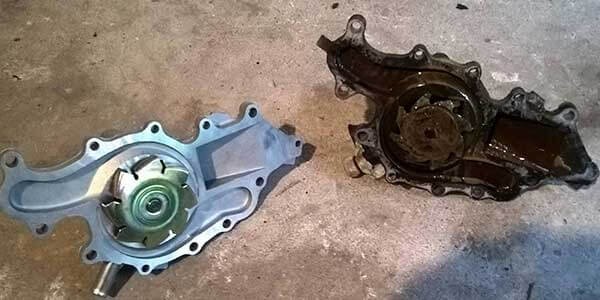
| External coolant leak (hose, water pump, radiator) | Coolant loss, overheating |
| Failing radiator/pressure cap | Coolant loss, boil-over, overheating |
| Intake manifold gasket leak | Coolant loss, rough running, coolant in oil (some engines) |
| Cracked cylinder head or block | All head-gasket symptoms (and is worse) |
| Oil cooler failure | Oil and coolant mixing |
| EGR cooler failure (diesel) | White smoke, coolant loss, coolant in intake |
| Condensation in oil (short trips) | Milky residue on the oil cap |
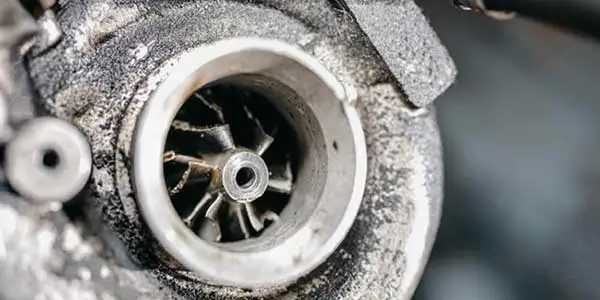
| Heater core leak / turbo seal | Sweet smell or white-blue smoke |
Symptom-by-Symptom: What Else It Could Be
White smoke from the exhaust. A head gasket leak burns coolant and makes sweet-smelling white smoke. But thin white vapor on a cold start that clears as the engine warms is just condensation, completely normal. On diesels, a failing EGR cooler can push coolant into the intake and create white smoke without a head gasket fault. Blue-white smoke can be a turbo seal leaking oil, not coolant.
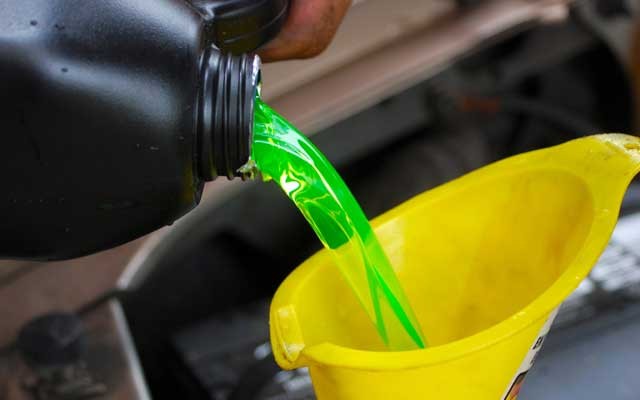
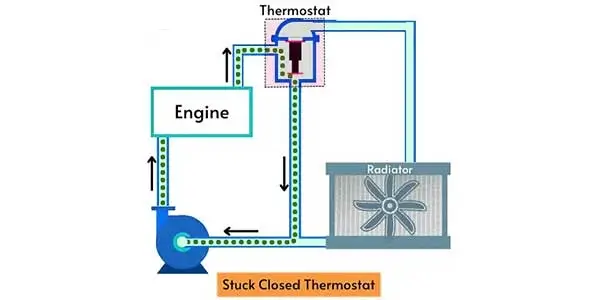
Overheating. A stuck thermostat, a failing water pump, a low coolant level, a plugged radiator, or a failing radiator cap all cause overheating without any head gasket damage. Check these cheaper causes first.
Coolant loss with no obvious puddle. Before assuming an internal leak, look hard for an external one, a weeping water pump, a pinhole in a hose, a leaking radiator, or a failing cap that lets coolant escape as vapor. These are common and inexpensive.
Milky residue on the oil cap. This famously panics owners. A small amount of creamy residue only on the underside of the oil cap is usually condensation from short trips where the engine never fully warms up, not a head gasket. True coolant-in-oil contamination shows up throughout the oil on the dipstick as a milky, expanded mess, that is the serious sign.
Oil and coolant mixing. Beyond the head gasket, a failed oil cooler or, on some engines, an intake manifold gasket can let oil and coolant cross. These are different repairs from a head gasket, so identify the actual leak point.
How to Confirm a Real Head Gasket Failure
Do not guess on an expensive repair. Confirm with:
- A combustion-gas (block) test: chemically detects combustion gases in the coolant, the strongest indicator of a breached gasket.
- A cooling-system pressure test: holds pressure and shows whether and where coolant is escaping, helping separate internal from external leaks.
- A compression or leak-down test: reveals a cylinder losing pressure to a neighbor or the cooling system.
- Inspecting the oil and coolant for genuine cross-contamination versus surface condensation.
- Ruling out the look-alikes above, the cap, hoses, water pump, thermostat, oil cooler, and EGR cooler, first.
If the block test is clean and an external leak explains the coolant loss, you have likely avoided an unnecessary head gasket job.
Frequently Asked Questions
Q: Does milky oil always mean a blown head gasket?
A: No. A small amount of creamy residue only on the underside of the oil filler cap is usually harmless condensation from short trips, especially in cold or humid weather, where the engine never fully warms up. A true head gasket problem shows milky, expanded oil throughout the dipstick and the engine, not just a film on the cap. Take longer drives and recheck before panicking.
Q: What else causes white smoke besides a head gasket?
A: Thin white vapor on a cold start that clears as the engine warms is normal condensation. On diesels, a failing EGR cooler can push coolant into the intake and create white smoke. Blue-white smoke often means a turbo seal or valve seals leaking oil. A head gasket leak produces persistent, sweet-smelling white smoke along with coolant loss, so look at the whole picture.
Q: My car is overheating, is it definitely the head gasket?
A: Not necessarily, and it usually is not the first suspect. A stuck thermostat, a failing water pump, low coolant, a clogged radiator, or a bad radiator cap all cause overheating and are cheaper to fix. Check those first, and use a combustion-gas test to confirm or rule out a head gasket before assuming the worst.
Q: Can an intake manifold gasket be mistaken for a head gasket?
A: Yes. On some engines a failing intake manifold gasket can leak coolant externally, cause rough running, or even let coolant into the oil, mimicking head gasket symptoms. It is a different and often cheaper repair, so pinpointing the actual leak source with a pressure test matters before concluding it is the head gasket.
Q: How can I be sure before paying for head gasket repair?
A: Have a combustion-gas (block) test done to check for exhaust gases in the coolant, plus a cooling-system pressure test to find where coolant is going, and inspect for genuine oil-coolant mixing. Rule out the cap, hoses, water pump, thermostat, and oil or EGR cooler first. Confirming with these tests prevents paying for an expensive repair you may not need.
Sources & References
- Manufacturer service procedures for cooling-system and head gasket diagnosis
- Industry guidance on combustion-gas (block) testing and pressure testing
- Diagnostic references for oil-coolant cross-contamination
- Cooling-system maintenance best practices
Related articles on CarsDailyHub:
– Car Problem Solver: Complete Symptom Guide
– 6.7 Powerstroke Blown Head Gasket Symptoms
– Stuck Closed Thermostat Symptoms and Fix
– Does a Bad Water Pump Make Noise?