Does a Bad Water Pump Make Noise? Sounds, Symptoms, and Fix

By the CarsDailyHub Editorial Team | Automotive writers; every article fact-checked against OEM service documentation | Updated June 2026
Quick Answer: Yes, a bad water pump often makes noise. The most common sound is a whining, humming, or growling that rises and falls with engine speed, caused by a worn pump bearing. A failing pump may also grind or rattle, and you might feel play in the pump pulley. Noise usually comes with other signs, coolant dripping from the pump’s weep hole, coolant loss, or overheating. Because a failed water pump leads to overheating, address the noise promptly.
This guide explains the sounds and symptoms of a failing water pump and how to confirm it. Last reviewed: June 2026.
Table of Contents
- Yes, Here’s the Noise a Bad Water Pump Makes
- Why a Water Pump Gets Noisy
- Other Symptoms of a Failing Water Pump
- How to Confirm It’s the Water Pump
- Is It Safe to Drive?
- Replacement Cost
- Frequently Asked Questions
- Sources & References
Yes, Here’s the Noise a Bad Water Pump Makes
A failing water pump commonly produces:
- A whine or hum that changes pitch with engine RPM, the most typical sound.
- A growling or grinding as the bearing wears further.
- A rattle or knocking if the impeller is loose or the bearing has serious play.
- A squeal if a worn pump causes belt slip, or if the bearing seizes.
The tell-tale sign that the noise is the water pump rather than something else is that it tracks engine speed (because the pump is belt-driven) and often comes from the front of the engine where the pump and pulley sit.
Why a Water Pump Gets Noisy
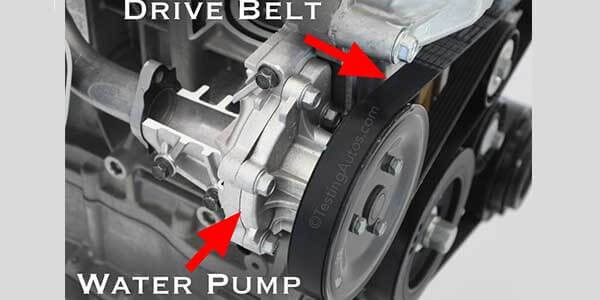
The water pump spins on a bearing and uses a seal to keep coolant in. Two wear points cause noise:
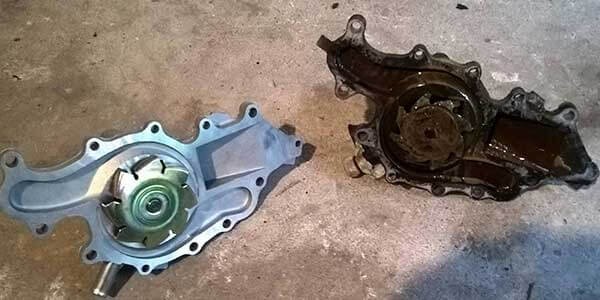
- The bearing dries out or wears, producing whining, humming, or grinding. As it deteriorates, the pulley can develop wobble or play.
- The seal fails and lets coolant weep out; coolant getting into the bearing accelerates its wear, which is why a weeping pump often becomes a noisy pump.
Once the bearing is worn, the noise generally gets louder over time, and a seized bearing can snap the drive belt (or break a timing belt if the pump is timing-belt driven), which is a serious failure.
Other Symptoms of a Failing Water Pump
| Symptom | What it means |
|---|---|
| Coolant drip from the weep hole | The pump seal is failing |
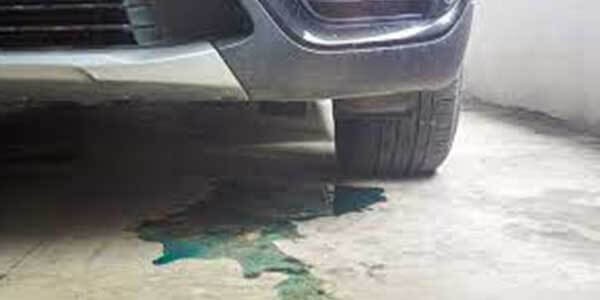
| Coolant puddle under the front of the engine | A pump leak |
| Engine overheating | The pump is not circulating coolant well |
| Low coolant level | Slow leak from the pump |
| Pulley wobble or play | Worn pump bearing |
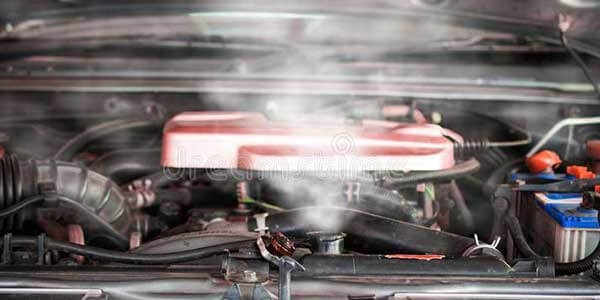
| Steam or sweet smell | Coolant leaking onto hot engine parts |
Noise plus any of these, especially a weep-hole leak or overheating, makes the water pump a strong suspect.
How to Confirm It’s the Water Pump
- Locate the sound with the engine running (safely, away from belts), it usually comes from the pump/pulley area at the front of the engine.
- Check the weep hole under the pump for dried coolant trails or wetness, a classic sign.
- Check for pulley play with the engine OFF and cool: try to wiggle the pump pulley; noticeable play means a worn bearing.
- Inspect coolant level and look for leaks at the pump.
- Rule out other noisemakers, a failing idler/tensioner pulley, alternator, or belt can sound similar, so confirm the source before replacing.
Is It Safe to Drive?
A noisy water pump is a warning, not something to ignore. In the short term the car may run fine, but the pump can fail completely, causing overheating that damages the engine, and a seized bearing can throw the belt. If the pump is also leaking or the engine is running warm, stop driving and address it. Even if it is only mildly noisy with no overheating yet, plan to replace it soon rather than wait for a roadside failure.
If the water pump is driven by the timing belt, a failure can also damage the valvetrain, so on those engines timely replacement (often done with the timing belt) is especially important.
Replacement Cost
| DIY Cost | Shop Cost (US avg) | |
|---|---|---|
| Water pump (part) | $30-120 | included below |
| Complete replacement (parts + labor) | $40-150 (parts) | $300-750 |
| With timing belt service (if applicable) | – | $600-1,200 |
Cost varies widely by engine and whether the pump is accessory-belt or timing-belt driven. On a timing-belt engine, it is common and cost-effective to replace the water pump at the same time as the belt, since the labor overlaps.
Frequently Asked Questions
Q: What does a bad water pump sound like?
A: Most often a whining, humming, or growling noise from the front of the engine that rises and falls with engine speed, because the pump is belt-driven. As the bearing wears further it can grind or rattle, and a seizing pump may squeal. If the noise tracks RPM and comes from the pump/pulley area, the water pump is a strong suspect.
Q: Can a water pump make noise without leaking?
A: Yes. The bearing can wear and become noisy before the seal leaks, so you may hear a whine or growl with no visible coolant loss yet. Often the two are related, a failing seal lets coolant into the bearing, which then gets noisy, but bearing noise can come first. Check for pulley play even if there is no leak.
Q: Is it safe to drive with a noisy water pump?
A: Only briefly, and not if there is any overheating or leaking. A failing water pump can stop circulating coolant and cause the engine to overheat, and a seized bearing can throw the drive belt. Replace it promptly. If the engine is running warm or losing coolant, stop driving and have it towed or repaired.
Q: How do I know if it’s the water pump or another pulley?
A: A failing idler or tensioner pulley, the alternator, or a worn belt can make similar noises. To narrow it down, check the water pump’s weep hole for coolant, check for play in the pump pulley with the engine off, and look for coolant leaks or overheating, which point specifically to the pump. If in doubt, have a shop pinpoint the source before replacing parts.
Q: How long can a water pump last after it starts making noise?
A: It is unpredictable, it could be weeks or could fail soon, but the noise means the bearing is already worn, so it will only get worse. Do not gamble on it, especially before a long trip or in hot weather. Plan to replace it promptly rather than risk an overheating event or a thrown belt on the road.
Sources & References
- Manufacturer service information on cooling system and water pump diagnosis
- Industry guidance on water pump bearing and seal failure
- RepairPal water pump replacement cost references
- Cooling-system maintenance best practices
Related articles on CarsDailyHub:
– Car Problem Solver: Complete Symptom Guide
– Stuck Closed Thermostat Symptoms and Fix
– Why Your Car Makes a Rattling Noise When Accelerating
– Car Overheating? Do These Things Immediately