2019 Chevy Colorado Transmission Problems: Causes and Fixes

By the CarsDailyHub Editorial Team | Automotive writers; every article fact-checked against OEM service documentation and owner-reported data | Updated June 2026
Quick Answer: The 2019 Chevy Colorado’s most common transmission complaints are hard or harsh shifts, a shudder or vibration at steady speed, and a “chuggle” or jerk at low speed, mostly on the V6 with the 8-speed automatic. GM traced much of the shudder and shift-quality concern to the transmission fluid and issued service bulletins calling for a fluid flush to an updated low-viscosity fluid, along with software updates. A fluid service and reprogram resolve a large share of cases.
This guide covers the 2019 Chevrolet Colorado, primarily the 3.6L V6 with the 8-speed automatic, with notes on the 4-cylinder 6-speed. Last reviewed: June 2026.
Table of Contents
- The 2019 Colorado Transmissions
- Common Problems and Symptoms
- What Causes Them
- The Fluid and Software Fix
- When It’s More Than Fluid
- Maintenance and Prevention
- Frequently Asked Questions
- Sources & References
The 2019 Colorado Transmissions
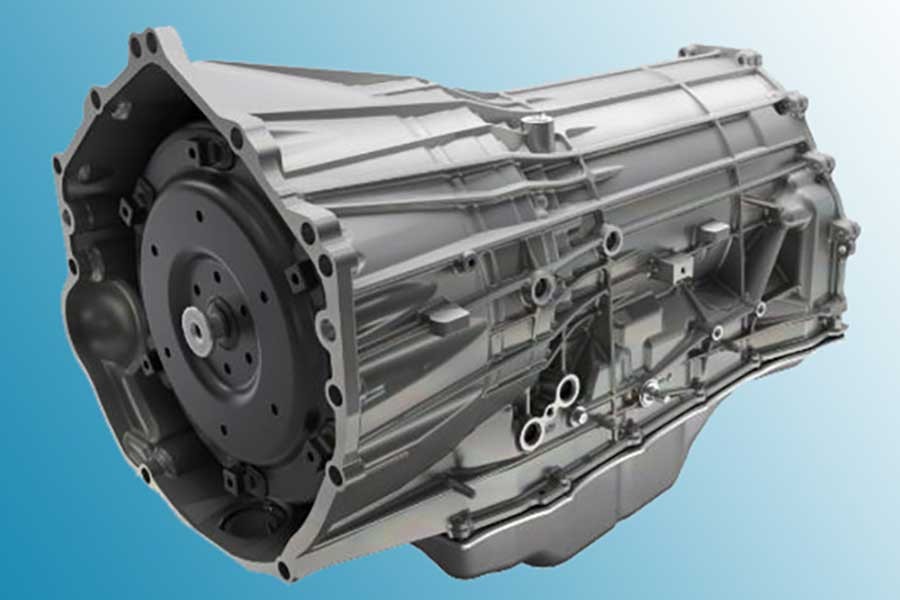
The 2019 Colorado came with two automatics: a 6-speed behind the 2.5L four-cylinder, and an 8-speed (the 8L45) behind the 3.6L V6 and the 2.8L Duramax diesel. Most of the well-known complaints, particularly the shudder and harsh shifts, are associated with the 8-speed, which is part of the GM 8-speed family that drew similar concerns across several models.
The good news is that GM identified the root of many of these complaints and published a fix path, so a lot of 2019 Colorado owners do not need major repairs.
Common Problems and Symptoms
| Symptom | What owners describe |
|---|---|
| Shudder / vibration | A shake at steady cruising speed, like rumble strips |
| Hard / harsh shifts | A firm bang or jolt on up or downshifts |
| “Chuggle” or jerk | A low-speed surge or jerk, often light-throttle |
| Hesitation | A pause before the truck accelerates |
| Gear hunting | Frequent shifting on gentle grades |
| Limp mode | Reduced gears with a stored code (less common) |
The torque-converter shudder and the harsh low-gear shifts are the two complaints most tied to this transmission.
What Causes Them
- Transmission fluid: GM determined that the original fluid could contribute to torque-converter shudder, and that a flush to an updated low-viscosity fluid addresses many cases. This is the single biggest factor.
- Software calibration: Shift programming, especially on early builds, can feel harsh; GM issued control module updates.
- Torque converter: The shudder originates at the converter clutch; fluid often resolves it, but a persistent case can require converter service.
- Heat and load: Towing and hot climates raise fluid temperatures and accelerate any of the above.
- Deferred service: Old or contaminated fluid worsens shift quality and wear.
The Fluid and Software Fix
For the common shudder and shift-quality complaints, the established path is:
- Diagnose and verify the symptom and check for any stored codes.
- Check for applicable service bulletins for your VIN, GM published guidance addressing 8-speed shudder via a fluid flush to the updated fluid specification.
- Flush and refill the transmission with the correct updated low-viscosity fluid (not a generic ATF). This resolves a large share of shudder cases.
- Apply software updates to the transmission control module for shift-quality improvements.
- Re-evaluate. Most trucks shift markedly better after the fluid-and-software service.
Because this is a known issue with a known remedy, a dealer familiar with the bulletins is the efficient route, especially if the truck is still under powertrain warranty.
When It’s More Than Fluid
If the fluid flush and software update do not resolve the symptoms, or the truck shows these signs, deeper diagnosis is needed:
- A persistent shudder after the correct fluid service, pointing to the torque converter.
- Slipping or flaring between gears.
- A stored transmission code or repeated limp mode.
- Fluid leaks or overheating under load.
These warrant a closer look at the torque converter, valve body, or internal components, and a truck under warranty should be taken to the dealer.
Maintenance and Prevention
- Use the correct updated fluid specification, never a generic substitute.
- Service the fluid on schedule, and sooner if you tow or run in heat.
- Keep software current by mentioning shift complaints at service visits.
- Add cooling if you tow near capacity in hot climates.
- Address symptoms early, a shudder caught now is usually a fluid service, not a converter replacement.
Frequently Asked Questions
Q: Why does my 2019 Chevy Colorado shudder at highway speed?
A: A shudder at steady speed on the 8-speed automatic usually comes from the torque-converter clutch and is closely tied to the transmission fluid. GM traced many of these cases to the original fluid and published a fix that flushes the transmission to an updated low-viscosity fluid. A correct fluid service resolves a large share of shudder complaints; if it persists, the converter needs a closer look.
Q: Is the 2019 Colorado 8-speed transmission reliable?
A: It is generally serviceable, but the 8-speed family drew complaints about shudder and harsh shifts across several GM models, and the Colorado shares them. Most issues are addressed with the updated fluid and software rather than major repair. Keeping the correct fluid serviced is the key to long-term reliability.
Q: What transmission fluid does the 2019 Colorado need?
A: The V6 8-speed requires the GM-specified low-viscosity automatic transmission fluid, and GM updated that specification as part of the shudder fix. It is important to use the correct updated fluid, not a generic ATF, because the wrong fluid can cause or worsen the shudder. A dealer or a shop following the bulletin will use the right fluid.
Q: Will a fluid change fix the harsh shifting?
A: Often, yes, especially for the shudder, because GM’s fix centers on flushing to the updated fluid. Pairing the fluid service with a transmission control software update gives the best result for harsh shifts and chuggle. If the harshness remains after both, a component issue such as the valve body or converter may need diagnosis.
Q: Can I drive my Colorado with the transmission shudder?
A: A mild shudder is usually safe to drive on while you arrange the fluid-and-software service, but do not ignore it indefinitely, because degraded fluid and an unresolved converter shudder can lead to more wear. If the truck slips, flares between gears, stores a code, or enters limp mode, have it diagnosed promptly rather than continuing to drive.
Sources & References
- GM service information for the 8L45 8-speed automatic and updated fluid specification
- GM technical service bulletins addressing 8-speed torque-converter shudder and shift quality
- NHTSA complaint database for the Chevrolet Colorado (nhtsa.gov)
- Owner-reported reliability and repair data
Related articles on CarsDailyHub:
– Transmission and Drivetrain: Complete Guide
– Chevy Colorado Transmission Problems
– Should You Change Transmission Fluid After 100k Miles?
– How to Use an OBD Scanner