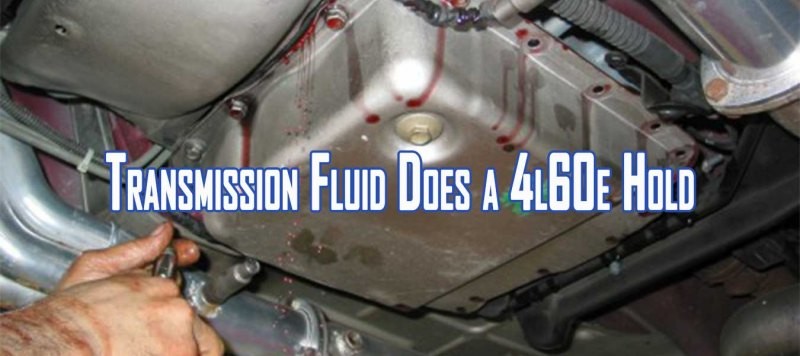
How Much Transmission Fluid Does a 4L60E Hold?

By the CarsDailyHub Editorial Team | Automotive writers; every article fact-checked against GM service documentation | Updated June 2026
Quick Answer: The GM 4L60E transmission holds approximately 11.5 quarts (10.9 liters) of ATF when completely dry (new build or full flush). A drain-and-fill (pan removal) replaces about 5-7 quarts. The correct fluid is Dexron VI (or Dexron III if VI is not available, but VI is preferred). Always check the dipstick after filling and top up as needed, as capacity varies by torque converter size and cooler line volume.
This guide covers fluid capacity and service for the GM 4L60E 4-speed automatic transmission. Last reviewed: June 2026.
Table of Contents
- 4L60E Fluid Capacity by Service Type
- Correct Fluid Type for the 4L60E
- How to Do a Drain-and-Fill on a 4L60E
- How to Do a Full Flush on a 4L60E
- When to Change 4L60E Fluid
- Signs Your 4L60E Fluid Needs Changing
- Cost Breakdown
- Frequently Asked Questions
- Sources & References
4L60E Fluid Capacity by Service Type
| Service Type | Fluid Required | Notes |
|---|---|---|
| Complete dry fill (new build) | 11.5 quarts (10.9L) | Includes torque converter |
| Full flush (machine) | 12-13 quarts | Extra needed to flush old fluid out |
| Pan drop + filter change | 5-7 quarts | Torque converter retains fluid |
| Drain-and-fill (no pan drop) | 5-7 quarts | Only pan fluid drains out |
| Top-up only | 1-2 quarts | Just bringing level up to full |
Important: These are approximate capacities. Always check the dipstick after filling and add fluid as needed. The exact amount depends on the torque converter size (varies by vehicle application), cooler line volume, and whether the converter was drained.
Correct Fluid Type for the 4L60E
| Fluid Type | Specification | Notes |
|---|---|---|
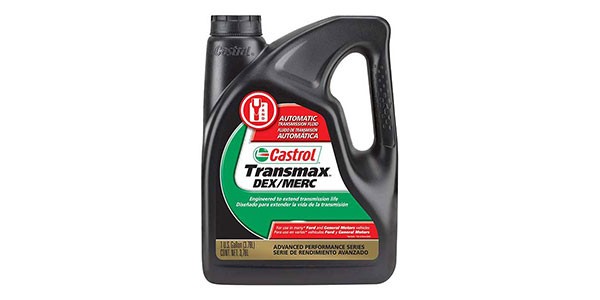
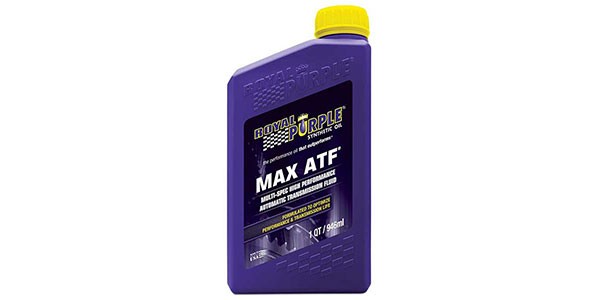
| Dexron VI | GM spec, current standard | Preferred. Backward compatible with Dexron III. |
| Dexron III | Older spec | Acceptable if VI is not available, but VI is better. |
| Dexron II | Very old spec | Do not use in any modern application. |
| Multi-vehicle ATF | Various brands | Acceptable if it carries the Dexron VI approval. |
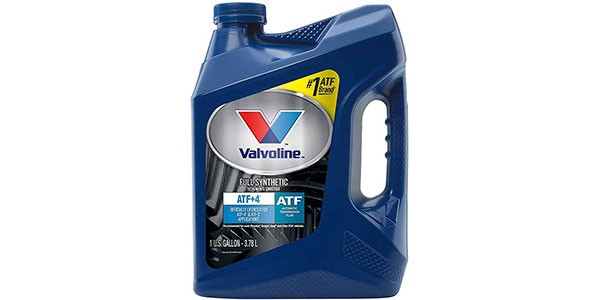
Use Dexron VI. It is the current GM specification and is backward compatible with all previous Dexron fluids. Do not use Mercon (Ford), ATF+4 (Chrysler), or CVT fluid in a 4L60E. Using the wrong fluid can cause shudder and damage.
How to Do a Drain-and-Fill on a 4L60E
- Warm the transmission by driving for 15-20 minutes.
- Park on level ground. Raise and support the vehicle on jack stands.
- Place a drain pan under the transmission pan.
- Loosen the pan bolts starting at the rear. Remove all but the front two bolts (leave them loose to hold the pan).
- Pry the pan down at the rear. Fluid will pour out. Let it drain.
- Remove the remaining bolts and drop the pan.
- Inspect the pan. Look for metal shavings (normal in small amounts) and clutch material (indicates wear).
- Remove the old filter (usually 3 Torx bolts or a clip). Discard.
- Install the new filter. Push in or bolt in until seated.
- Clean the pan and magnet. Install a new pan gasket.
- Reinstall the pan and torque bolts to spec (usually 10-12 ft-lbs in a crisscross pattern).
- Add 5-7 quarts of Dexron VI through the dipstick tube.
- Start the engine and let it idle. Shift through all gears, pausing 2 seconds in each.
- Check the fluid level with the engine running and warm. Add as needed to reach the full mark.
Cost: $30-60 (fluid + filter + gasket) DIY; $150-300 at a shop. Time: 45-90 minutes.
How to Do a Full Flush on a 4L60E
A full flush replaces nearly all the fluid, including what is in the torque converter. This requires a flush machine or a DIY method using the transmission’s own pump.
DIY method (no machine):
1. Disconnect the transmission cooler return line at the radiator.
2. Attach a hose to the disconnected line and route it to a drain pan.
3. Start the engine. The transmission pump will push old fluid out the line.
4. Add new fluid to the dipstick tube at the same rate it is being pumped out.
5. When the fluid coming out is clean and red (after about 6-8 quarts), stop the engine.
6. Reconnect the cooler line.
7. Check the fluid level and top up as needed.
Cost: $60-100 (12-13 quarts of fluid) DIY; $150-250 at a shop with a flush machine. Time: 45-60 minutes.
Warning: Do not do a full flush on a 4L60E with very old, dark, never-changed fluid. Use a drain-and-fill instead to avoid dislodging debris.
When to Change 4L60E Fluid
| Driving Condition | Interval |
|---|---|
| Normal (highway, moderate temps) | 60,000-100,000 miles |
| Severe (towing, city, extreme temps) | 30,000-45,000 miles |
| Never changed, 100k+ miles | Drain-and-fill now, repeat in 15k-30k |
| Fluid is dark or burnt | Change immediately |
| Fluid is milky | Tow to shop (coolant contamination) |
Signs Your 4L60E Fluid Needs Changing
- Dark brown or black fluid (should be red/pink)
- Burnt smell (fluid has overheated)
- Shudder during acceleration (torque converter lock-up issue from degraded fluid)
- Harsh shifting (valve body passages clogged with debris)
- Slipping between gears (clutch pack wear, may be too late for fluid change to fix)
- Metal shavings in the pan (normal in small amounts, excessive amounts indicate wear)
Cost Breakdown
| Service | DIY Cost | Shop Cost (US avg) | Time |
|---|---|---|---|
| Drain-and-fill (pan drop + filter) | $30-60 (fluid + filter + gasket) | $150-300 | 45-90 min |
| Full flush (machine) | $60-100 (fluid) | $150-250 | 45-60 min |
| Full flush + filter | $80-120 (fluid + filter) | $200-400 | 1.5-2.5 hrs |
| Fluid top-up only | $10-20 (1-2 qt) | $20-40 | 5 min |
Frequently Asked Questions
Q: How much transmission fluid does a 4L60E hold?
A: The 4L60E holds approximately 11.5 quarts (10.9 liters) when completely dry. A drain-and-fill (pan drop) replaces about 5-7 quarts because the torque converter retains fluid. A full flush replaces nearly all 11.5 quarts. Always check the dipstick after filling and top up as needed.
Q: What type of fluid does a 4L60E use?
A: Dexron VI is the correct fluid for the 4L60E. It is the current GM specification and is backward compatible with Dexron III. Do not use Mercon (Ford), ATF+4 (Chrysler), or CVT fluid. Using the wrong fluid can cause shudder and damage.
Q: How often should I change the fluid in my 4L60E?
A: For normal driving, every 60,000-100,000 miles. For severe service (towing, city driving, extreme temperatures), every 30,000-45,000 miles. If the fluid has never been changed and the transmission has over 100,000 miles, do a drain-and-fill (not a flush) to avoid dislodging debris.
Q: Can I do a drain-and-fill on a 4L60E without dropping the pan?
A: Some 4L60E transmissions have a drain plug on the pan, but most do not. If your pan does not have a drain plug, you must remove the pan to drain the fluid. This is also the best time to change the filter, which should be done every fluid change.
Q: What happens if I overfill my 4L60E transmission?
A: Overfilling by more than 1 quart can cause the fluid to foam, reducing lubrication. It can also force fluid past seals and into the intake through the transmission vent, damaging the catalytic converter. If you overfill, drain the excess through the pan immediately.
Q: Should I flush or drain-and-fill my 4L60E at 100,000 miles?
A: If the fluid has been changed regularly and is still relatively clean, a full flush is fine. If the fluid has never been changed and is dark or burnt, do a drain-and-fill instead. A drain-and-fill is gentler and will not dislodge settled debris. You can do another drain-and-fill in 15,000-30,000 miles to gradually refresh the fluid.
Sources & References
- GM Service Information – 4L60E transmission specifications and service procedures
- GM Dexron VI fluid specification (GMN10060)
- ATF manufacturer specifications (Valvoline, Mobil 1, Castrol)
- RepairPal – Average transmission service cost estimates
Related articles on CarsDailyHub:
– Transmission & Drivetrain: How to Diagnose Any Transmission Problem
– Should I Change Transmission Fluid After 100k Miles?
– Can I Use Transmission Fluid for Power Steering Fluid?
– Chevy Colorado Transmission Problems: Causes, Symptoms & Fix
– Engine Oil & Fluids: Complete Guide