10-Speed Allison Transmission Problems (Duramax): Causes, Symptoms, and Fixes

By the CarsDailyHub Editorial Team | Automotive writers; every article fact-checked against OEM service documentation and owner-reported data | Updated June 2026
Quick Answer: The 10-speed Allison (paired with the 6.6L Duramax in 2020-and-newer GM HD trucks) is generally well regarded, but the most common owner complaints are harsh or clunky shifts, a shudder or vibration at certain speeds, occasional limp mode from a stored code, and early-build software calibration quirks. Many shift-quality issues are addressed with transmission software updates and, where needed, valve body or torque converter service. Keeping the fluid and service intervals current is the single best prevention.
This guide covers the 10-speed Allison-branded automatic used behind the 6.6L Duramax in GM HD trucks (Silverado/Sierra 2500/3500). Last reviewed: June 2026.
Table of Contents
- About the 10-Speed Allison
- Common Problems and Symptoms
- What Causes Them
- How These Issues Get Fixed
- Maintenance That Prevents Problems
- When to See a Dealer or Specialist
- Frequently Asked Questions
- Sources & References
About the 10-Speed Allison
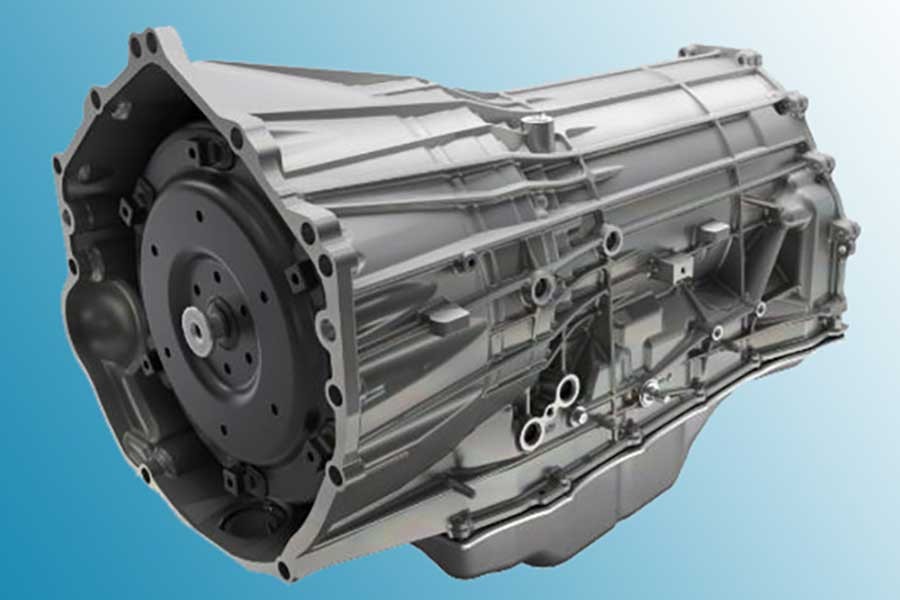
The 10-speed Allison is the heavy-duty automatic GM pairs with the 6.6L Duramax diesel in its newer HD pickups. It replaced the long-running 6-speed Allison and adds more gears for better towing flexibility, smoother cruising, and improved fuel economy. Overall it has a solid reputation for strength behind the torque of the Duramax.
Like any modern multi-speed automatic, though, it is heavily software-controlled, and that means many of its real-world complaints are about shift calibration and refinement rather than outright mechanical failure. Knowing which is which saves you money and worry.
Common Problems and Symptoms
| Symptom | What owners describe | Typical nature |
|---|---|---|
| Harsh or clunky shifts | A firm bang or jerk, often 1-2 or low-gear shifts | Often calibration/software |
| Shudder or vibration | A shake at a steady speed, like driving over rumble strips | Torque converter / fluid |
| Hard downshifts | A clunk when slowing or downshifting | Calibration or valve body |
| Limp mode | Reduced gears, a captured fault code | Sensor/solenoid or protective response |
| Gear hunting | Frequent up/down shifting on grades | Calibration, load conditions |
| Delayed engagement | A pause before drive engages | Fluid/pressure related |
Most of these are drivability and refinement complaints. True catastrophic failures are relatively uncommon, but ignoring symptoms like shudder or limp mode can let a small issue grow.
What Causes Them
- Software/calibration: Early production trucks especially can have shift programming that feels harsh. GM has issued transmission control module updates that smooth shift quality.
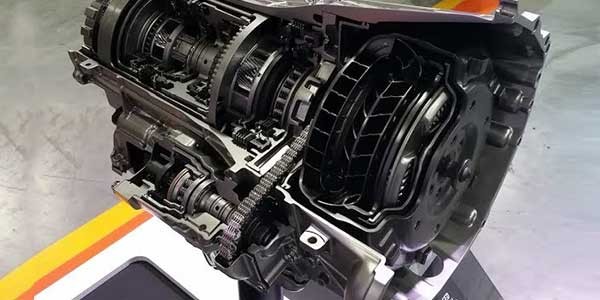
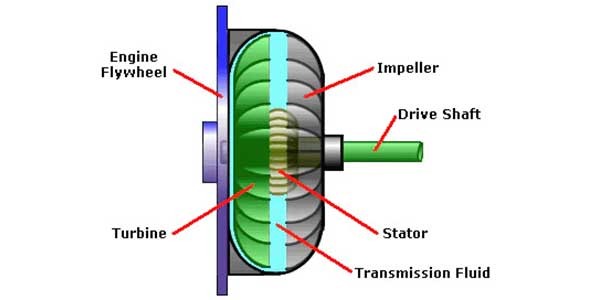
- Torque converter shudder: A shudder at light throttle and steady speed often traces to the torque converter clutch or fluid condition, a known pattern across modern GM automatics.
- Fluid condition: Old, overheated, or low fluid degrades shift quality and clutch life, towing heavy raises fluid temperatures.
- Solenoid or sensor faults: A transmission solenoid or speed/pressure sensor fault can trigger limp mode and store a code.
- Heavy-duty use: Frequent heavy towing increases heat and wear, accelerating any of the above if maintenance is neglected.
How These Issues Get Fixed
- Scan first. A code read tells you whether the truck stored a real fault (solenoid, sensor) or whether this is a no-code shift-quality complaint.
- Apply software updates. For harsh shifts and some shudder complaints, a dealer transmission control module reprogram is often the first and sometimes only fix needed. Check for any applicable service bulletins for your truck.
- Service the fluid. A proper fluid and filter service with the correct specification fluid can resolve shudder and refresh shift quality, especially if the fluid is dark or has seen hard towing.
- Valve body / solenoids. Persistent harsh shifts or specific solenoid codes may call for valve body service or solenoid replacement.
- Torque converter. A confirmed converter clutch shudder that fluid and software do not resolve may require converter replacement.
Always start with the scan and software/fluid steps before assuming major internal repair, many complaints never get past that stage.
Maintenance That Prevents Problems
- Follow the fluid service interval, and service sooner if you tow heavily, heat is the enemy of any automatic.
- Use the correct specification fluid, never a generic substitute.
- Add or maintain transmission cooling if you tow at maximum capacity in hot climates.
- Address codes and symptoms early, a shudder or limp-mode event is a prompt, not a nuisance to ignore.
- Keep software current by mentioning shift complaints at service visits so applicable updates get applied.
Heavy-duty trucks earn their keep under load, and the transmission lives or dies by fluid condition and heat management.
When to See a Dealer or Specialist
See a professional promptly if the truck:
- Drops into limp mode or stores a transmission code.
- Shudders or vibrates under load that fluid service does not cure.
- Slips, flares between gears, or engages with a hard bang.
- Leaks fluid or runs hot while towing.
For a truck still under powertrain warranty, the dealer is the first stop, both for software updates and for any covered repair. An independent diesel/transmission specialist is a strong option out of warranty.
Frequently Asked Questions
Q: Is the 10-speed Allison a reliable transmission?
A: Generally yes. Behind the 6.6L Duramax it has a solid reputation for handling the engine’s torque and towing demands. Most complaints are about shift refinement, harshness, shudder, or occasional limp mode, rather than outright failure. Keeping the fluid serviced and applying any software updates addresses the majority of real-world issues.
Q: Why does my Duramax with the 10-speed Allison shift harshly?
A: Harsh or clunky shifts, particularly on early-build trucks, are often a software calibration issue, and GM has released transmission control module updates that smooth shift quality. Old or degraded fluid can also contribute. Start with a scan and any applicable software update, then a fluid service, before assuming an internal mechanical problem.
Q: What causes the shudder in the 10-speed Allison?
A: A shudder at light throttle and steady speed most often traces to the torque converter clutch and the condition of the transmission fluid, a pattern common across modern GM automatics. A correct fluid service resolves many cases; if it persists, the torque converter may need attention. Have it scanned and inspected rather than ignoring it.
Q: Can I fix harsh shifting myself?
A: Some of it, indirectly. You can ensure the fluid is in good condition and at the right level, but the most common fix, a transmission control module software update, requires dealer equipment. If a scan shows a solenoid or sensor code, that is a more involved repair best handled by a dealer or transmission specialist.
Q: How often should I service the 10-speed Allison fluid?
A: Follow the maintenance schedule for your truck, and service earlier if you tow heavily or operate in hot climates, because heat shortens fluid and clutch life. Using the correct specification fluid is essential. Regular fluid service is the single most effective way to prevent shudder and shift-quality problems over the long term.
Sources & References
- GM and Allison service information for the 10-speed HD automatic behind the 6.6L Duramax
- GM technical service bulletins covering transmission control module calibration updates
- NHTSA complaint database for GM HD trucks (nhtsa.gov)
- Owner-reported data and manufacturer fluid specifications
Related articles on CarsDailyHub:
– Transmission and Drivetrain: Complete Guide
– Should You Change Transmission Fluid After 100k Miles?
– Chevy Colorado Transmission Problems
– How to Use an OBD Scanner