Hyundai Tucson Hybrid Transmission Problems: Causes and Fixes

By the CarsDailyHub Editorial Team | Automotive writers; every article fact-checked against OEM service documentation and owner-reported data | Updated June 2026
Quick Answer: The Hyundai Tucson Hybrid uses a 6-speed automatic with an electric motor built in, rather than a CVT. The most common transmission complaints are low-speed hesitation or lag, a jerky or clunky feel when accelerating gently or in stop-and-go traffic, and occasional rough engagement as the gas engine and electric motor hand off. Most of these are calibration and software related, and Hyundai has issued control software updates that improve the behavior. Genuine mechanical failure is uncommon, and the powertrain is covered by Hyundai’s long warranty.
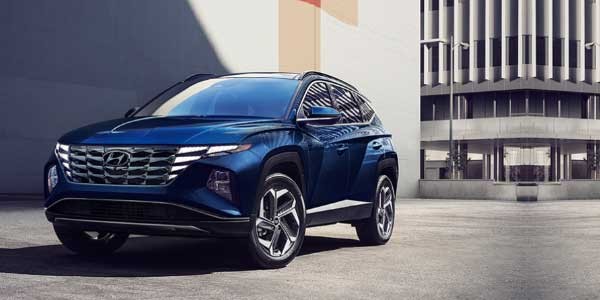
This guide covers transmission and drivetrain complaints on the Hyundai Tucson Hybrid (2022 onward), which pairs a 1.6L turbo with an electric motor and a 6-speed automatic. Last reviewed: June 2026.
Table of Contents
- How the Tucson Hybrid Drivetrain Works
- Common Complaints and Symptoms
- What Causes Them
- How These Problems Get Fixed
- Warranty Coverage
- Is It Safe to Drive?
- Frequently Asked Questions
- Sources & References
How the Tucson Hybrid Drivetrain Works
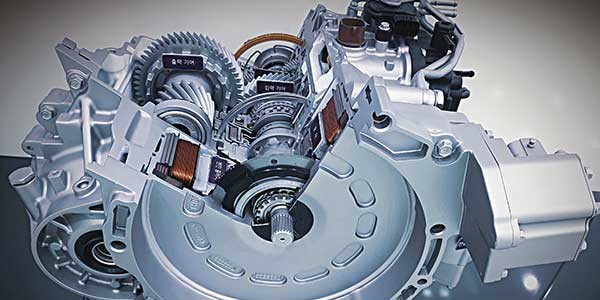
Unlike many hybrids that use a CVT or a planetary eCVT, the Tucson Hybrid uses a conventional 6-speed automatic with an electric motor integrated between the engine and the transmission (in place of a torque converter). The 1.6L turbo and the electric motor work together, and the transmission shifts real gears.
This design gives a more familiar “geared” driving feel, but it also means the car has to coordinate the engine, the electric motor, and the gearbox seamlessly. When that coordination is slightly off, especially at low speed, you feel it as hesitation or a jerk, which is the source of most complaints.
Common Complaints and Symptoms
| Symptom | What owners describe |
|---|---|
| Low-speed hesitation / lag | A pause before the car responds, especially from a stop |
| Jerky or clunky engagement | A jolt when accelerating gently or in traffic |
| Rough engine-to-motor handoff | A shudder or bump as the gas engine starts or stops |
| Delayed throttle response | A beat of lag before power arrives |
| Occasional harsh downshift | A clunk when slowing or kicking down |
These are most noticeable at low speed and in stop-and-go driving, and far less so at steady highway speeds.
What Causes Them
- Software calibration: The biggest factor. Coordinating the engine, electric motor, and 6-speed automatic is software-intensive, and early calibrations could feel hesitant or jerky. Hyundai has released updates that smooth it.
- Engine start/stop transitions: The hybrid frequently starts and stops the gas engine; a slightly rough transition feels like a transmission bump.
- Adaptive learning: The transmission adapts to your driving and may feel rougher after a reset or update until it relearns.
- Throttle mapping: Some perceived “lag” is throttle response rather than the gearbox itself.
- Rarely, a fault: A stored code or limp mode indicates a genuine component issue to diagnose.
How These Problems Get Fixed
- Check for software updates and TSBs. This is the primary fix. A dealer can apply the latest transmission and hybrid control software for your VIN, which addresses much of the hesitation and jerkiness.
- Allow relearn time after an update for the system to settle into smoother behavior.
- Scan for codes if there is a warning light or limp mode, which points to a real fault rather than calibration.
- Service fluids as scheduled with the correct Hyundai specifications as the vehicle ages.
- Adjust driving inputs in the meantime, smoother, steadier throttle reduces the low-speed jerk.
Because the issue is largely calibration, the software update is the single most effective step, and it is usually a quick dealer visit.
Warranty Coverage
Hyundai is known for a long powertrain warranty, and the hybrid system carries its own extended coverage in many markets. That means transmission and hybrid-drivetrain repairs on a Tucson Hybrid are often covered well beyond the basic term. If you experience anything beyond normal calibration quirks, a stored code, limp mode, or a genuine mechanical symptom, take the vehicle to a Hyundai dealer and have it addressed under warranty rather than paying out of pocket. Always confirm your specific coverage with your VIN.
Is It Safe to Drive?
In most cases the Tucson Hybrid with these symptoms is safe to drive, because the complaints are about smoothness and refinement, not a failing transmission. The exceptions are if the car drops into limp mode, stores a powertrain or hybrid code, slips, or loses power, which warrant prompt diagnosis. A mild hesitation or occasional low-speed jerk, while annoying, is usually a calibration matter to address with a software update at a service visit.
Frequently Asked Questions
Q: Does the Hyundai Tucson Hybrid use a CVT?
A: No. Unlike many hybrids, the Tucson Hybrid uses a conventional 6-speed automatic with an electric motor integrated in place of the torque converter. It shifts real gears, which gives a more familiar driving feel but also means the car must coordinate the engine, electric motor, and gearbox, and slight mismatches in that coordination cause the low-speed hesitation owners notice.
Q: Why does my Tucson Hybrid hesitate or jerk at low speed?
A: It is usually a calibration characteristic. Coordinating the turbo engine, the electric motor, and the 6-speed automatic is software-intensive, and early calibrations could feel hesitant or jerky, especially from a stop or in traffic. Hyundai has released control software updates that smooth this out, so have a dealer check for the latest update for your VIN.
Q: Is the Tucson Hybrid transmission reliable?
A: Generally yes. It uses a conventional automatic rather than a failure-prone CVT, and outright mechanical failures are uncommon. Most complaints are about shift and hand-off smoothness, which software updates improve. On top of that, Hyundai’s long powertrain and hybrid warranties cover the drivetrain well beyond the basic term in many markets.
Q: Will a software update fix the hesitation?
A: In most cases it helps significantly. The hesitation and jerkiness are largely calibration issues, and Hyundai has issued transmission and hybrid control updates that improve them. Applying the latest update at a dealer is the primary fix, and you should allow the system a number of drive cycles afterward to relearn smoother behavior.
Q: Should I be worried about expensive transmission repairs on a Tucson Hybrid?
A: For most owners, no. The common complaints are calibration-related and fixed with software, not costly repairs, and the powertrain and hybrid system are covered by Hyundai’s lengthy warranty in many markets. If a genuine fault appears, a stored code or limp mode, have it addressed under warranty at a dealer rather than paying out of pocket.
Sources & References
- Hyundai service information for the Tucson Hybrid powertrain (1.6L turbo hybrid with 6-speed automatic)
- Hyundai technical service bulletins covering transmission and hybrid control calibration
- NHTSA complaint database for the Hyundai Tucson (nhtsa.gov)
- Hyundai warranty documentation (confirm coverage by VIN)
Related articles on CarsDailyHub:
– Transmission and Drivetrain: Complete Guide
– Subaru Forester CVT Transmission Problems
– Honda CVT Transmission Problems
– Should You Change Transmission Fluid After 100k Miles?