Engine Oil Capacity Chart for All Vehicles in Australia

By the CarsDailyHub Editorial Team | Automotive writers; every article fact-checked against manufacturer owner’s manuals and OEM specifications | Updated June 2026
Quick Answer: Most modern Australian vehicles (2010+) use 5W-30 or 0W-20 full synthetic oil. A typical 4-cylinder engine takes 4-5 liters, a 6-cylinder takes 5-7 liters, and a V8 takes 7-10 liters. Always verify the exact spec in your owner’s manual or on the oil filler cap, as capacity varies by engine size, oil filter type, and model year. Using the wrong viscosity can reduce fuel economy and accelerate engine wear.
This guide covers engine oil capacity and type for popular Australian vehicles. Specifications reference manufacturer owner’s manuals. Always verify with your specific vehicle’s manual. Last reviewed: June 2026.
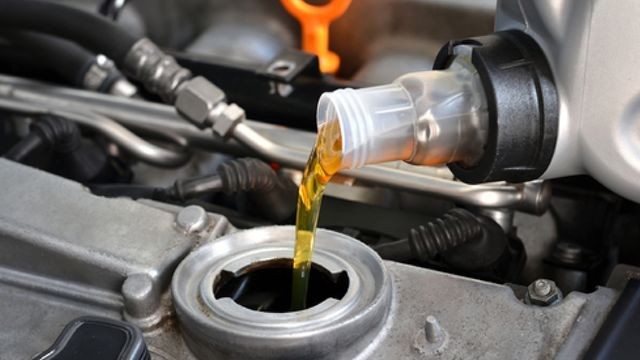
Table of Contents
- Quick Reference Oil Capacity Table (Australian Vehicles)
- Understanding Oil Specifications
- Synthetic vs Conventional vs Blend
- Top Engine Oil Brands Available in Australia
- How Often to Change Your Engine Oil
- Step-by-Step Oil Change Guide
- Signs Your Vehicle Needs an Oil Change
- What Happens If You Use the Wrong Oil?
- Frequently Asked Questions
- Sources & References
Quick Reference Oil Capacity Table (Australian Vehicles)
| Make/Model | Engine | Oil Type | Viscosity | Capacity (with filter) | Change Interval |
|---|---|---|---|---|---|
| Toyota Hilux (2016+) | 2.8L Diesel I4 | Full Synthetic | 5W-30 | 6.2L | 10,000 km / 12 mo |
| Toyota Hilux (2005-2015) | 3.0L Diesel I4 | Full Synthetic | 5W-30 | 5.5L | 10,000 km / 12 mo |
| Toyota Hilux (2012+) | 2.7L Petrol I4 | Full Synthetic | 5W-30 | 5.7L | 15,000 km / 12 mo |
| Toyota Corolla (2014+) | 1.8L Petrol I4 | Full Synthetic | 0W-20 | 4.2L | 15,000 km / 12 mo |
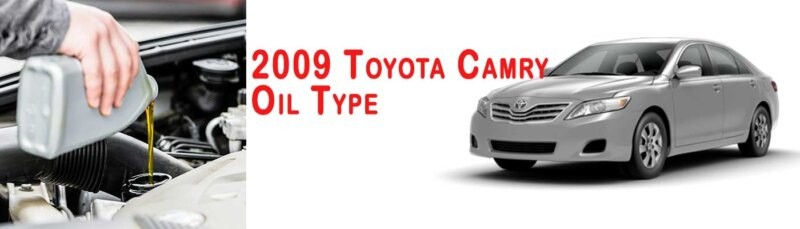
| Toyota Camry (2018+) | 2.5L Petrol I4 | Full Synthetic | 0W-16 | 4.5L | 15,000 km / 12 mo |
| Toyota Prado (2018+) | 2.8L Diesel I4 | Full Synthetic | 5W-30 | 6.2L | 10,000 km / 12 mo |
| Toyota RAV4 (2019+) | 2.5L Petrol I4 | Full Synthetic | 0W-16 | 4.7L | 15,000 km / 12 mo |
| Ford Ranger (2012+) | 3.2L Diesel I5 | Full Synthetic | 5W-30 | 9.0L | 15,000 km / 12 mo |
| Ford Ranger (2018+) | 2.0L Diesel I4 | Full Synthetic | 5W-30 | 6.0L | 15,000 km / 12 mo |
| Ford Ranger (2011+) | 2.2L Diesel I4 | Full Synthetic | 5W-30 | 7.7L | 15,000 km / 12 mo |
| Holden Commodore (2013-2017) | 3.0L V6 | Full Synthetic | 5W-30 | 5.7L | 15,000 km / 12 mo |
| Holden Commodore (2013-2017) | 6.0L V8 | Full Synthetic | 5W-30 | 8.4L | 15,000 km / 12 mo |
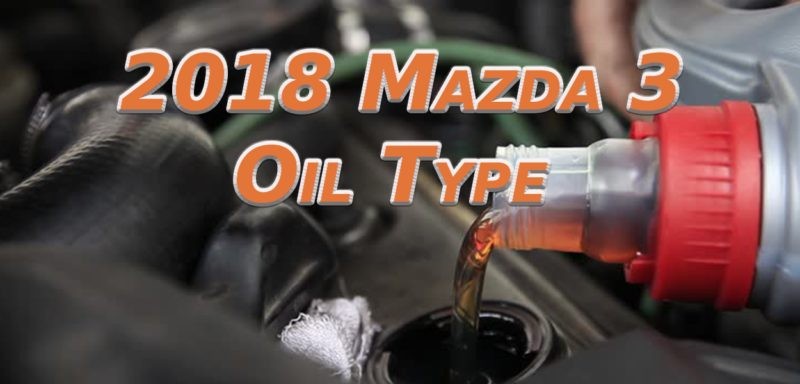
| Mazda 3 (2014+) | 2.0L/2.5L Petrol I4 | Full Synthetic | 0W-20 | 4.3-4.8L | 15,000 km / 12 mo |
| Mazda CX-5 (2017+) | 2.5L Petrol I4 | Full Synthetic | 0W-20 | 4.8L | 15,000 km / 12 mo |
| Hyundai i30 (2017+) | 2.0L Petrol I4 | Full Synthetic | 5W-30 | 4.0L | 15,000 km / 12 mo |
| Hyundai Tucson (2016+) | 2.0L/2.4L Petrol I4 | Full Synthetic | 5W-30 | 4.0-4.8L | 15,000 km / 12 mo |
| Kia Cerato (2019+) | 2.0L Petrol I4 | Full Synthetic | 5W-30 | 4.0L | 15,000 km / 12 mo |
| Mitsubishi Triton (2016+) | 2.4L Diesel I4 | Full Synthetic | 5W-30 | 5.5L | 15,000 km / 12 mo |
| Mitsubishi Outlander (2018+) | 2.4L Petrol I4 | Full Synthetic | 0W-20 | 4.3L | 15,000 km / 12 mo |
| Nissan Navara (2015+) | 2.3L Diesel I4 | Full Synthetic | 5W-30 | 7.0L | 15,000 km / 12 mo |
| Nissan X-Trail (2014+) | 2.5L Petrol I4 | Full Synthetic | 0W-20 | 4.5L | 15,000 km / 12 mo |
| Subaru Outback (2015+) | 2.5L Petrol I4 | Full Synthetic | 0W-20 | 4.2L | 12,500 km / 12 mo |
| Subaru Outback (2015+) | 3.6L Petrol V6 | Full Synthetic | 0W-20 | 6.5L | 12,500 km / 12 mo |
| Volkswagen Golf (2013+) | 1.4L Turbo I4 | Full Synthetic | 5W-40 (VW 504.00) | 4.0L | 15,000 km / 12 mo |
| Volkswagen Amarok (2011+) | 3.0L Diesel V6 | Full Synthetic | 5W-30 (VW 507.00) | 7.0L | 15,000 km / 12 mo |
| Isuzu D-Max (2012+) | 3.0L Diesel I4 | Full Synthetic | 5W-30 | 6.2L | 10,000 km / 12 mo |
| BT-50 (2012+) | 3.2L Diesel I5 | Full Synthetic | 5W-30 | 9.0L | 15,000 km / 12 mo |
| Honda Civic (2017+) | 1.5L Turbo I4 | Full Synthetic | 0W-20 | 3.5L | 12,500 km / 12 mo |
| Honda CR-V (2017+) | 1.5L Turbo I4 | Full Synthetic | 0W-20 | 3.5L | 12,500 km / 12 mo |
Important: This table covers common Australian configurations. Always verify with your owner’s manual, as capacity varies by oil filter type, engine sub-model, and model year. The oil filler cap also often lists the recommended viscosity.
Understanding Oil Specifications
Viscosity (the “W” number)
- 0W-16: Very thin, for modern fuel-efficient engines (Toyota Camry, RAV4)
- 0W-20: Thin, for most modern Japanese vehicles. Standard for 2010+ vehicles.
- 5W-30: Medium, for Ford, Holden, Hyundai, Kia, and most diesel engines. The most common viscosity in Australia.
- 5W-40: Medium-thick, for European turbocharged engines (VW, Audi, BMW)
- 10W-40: Thicker, for older engines or hot climates. Rarely specified for modern vehicles.
Always use the viscosity specified in your owner’s manual. Using a thicker oil than specified reduces fuel economy and can cause cold-start wear. Using a thinner oil than specified can cause low oil pressure at operating temperature.
OEM-Specific Standards
- API SP / ILSAC GF-6A: Current standard for gasoline engines
- dexos1 Gen2/3: GM/Holden-specific standard
- VW 504.00 / 507.00: Volkswagen-specific standard (for European vehicles sold in Australia)
- Toyota/Lexus: Toyota Genuine Motor Oil or equivalent meeting API SP
- Ford WSS-M2C: Ford-specific standard
Diesel-Specific Requirements
Australian diesel vehicles (Hilux, Ranger, Triton, D-Max, Navara, Amarok) require oil that meets specific diesel standards:
– ACEA C2/C3: For modern diesel engines with DPF (diesel particulate filter)
– API CJ-4/CK-4: For heavy-duty diesel engines
– JASO DH-1/DH-2: Japanese diesel standard
Using the wrong oil in a diesel with a DPF can clog the DPF and cause expensive damage ($2,000-5,000 for DPF replacement).
Synthetic vs Conventional vs Blend
| Property | Full Synthetic | Synthetic Blend | Conventional |
|---|---|---|---|
| Cold-start protection | Excellent | Good | Fair |
| High-temperature stability | Excellent | Good | Fair |
| Oil change interval | 10,000-15,000 km | 7,500-10,000 km | 5,000-7,500 km |
| Cost per liter (AUD) | $8-15 | $5-8 | $4-6 |
| Recommended for | 2010+ vehicles, turbos, diesels, hybrids | 2005-2010 vehicles | Pre-2005 vehicles |
| DPF compatibility | Yes (if correct spec) | Check spec | No |
Recommendation: If your owner’s manual specifies full synthetic, use full synthetic. Do not downgrade to conventional to save money. The cost difference is $20-35 per oil change, and synthetic protects your engine better and lasts longer. Diesel vehicles with DPFs must use synthetic oil that meets the ACEA C2/C3 or manufacturer specification.
Top Engine Oil Brands Available in Australia
| Brand | Notable Products | Price Range (AUD) | OEM Approvals |
|---|---|---|---|
| Mobil 1 | ESP 5W-30, FS 0W-20 | $10-15/L | dexos1, VW 507.00, ACEA C3 |
| Castrol | Edge 5W-30 A3/B4, Edge 0W-20 | $10-15/L | dexos1, VW 504.00, ACEA C3 |
| Valvoline | SynPower 5W-30, Full Synthetic 0W-20 | $8-12/L | API SP, ACEA C3 |
| Penrite | HPR 5, Enviro+ 0W-20 | $10-14/L | API SP, ACEA C3 (Australian brand) |
| Shell | Helix Ultra 5W-30, Helix Ultra 0W-20 | $9-13/L | API SP, ACEA C3, dexos1 |
| Nulon | Full Synthetic 5W-30, 0W-20 | $8-12/L | API SP, ACEA C3 (Australian brand) |
Which to choose: Any major brand that carries the correct API/ILSAC rating and OEM approval for your vehicle will work. Penrite and Nulon are Australian brands with good availability at Supercheap Auto, Repco, and Autobarn.
How Often to Change Your Engine Oil
| Driving Condition | Interval | Examples |
|---|---|---|
| Normal (highway, moderate temps) | 10,000-15,000 km / 12 mo | Most daily commuting |
| Severe (short trips, extreme temps, towing) | 5,000-7,500 km / 6 mo | City driving, towing, outback |
| Diesel with DPF | 10,000 km / 12 mo | Follow manufacturer spec strictly |
| Track or performance driving | 2,500-5,000 km | Track days, racing |
Severe service includes:
– Short trips under 10 km (engine never fully warms up)
– Extreme hot or cold climates (Australian outback, alpine regions)
– Towing or hauling heavy loads
– Stop-and-go city traffic
– Dusty or dirty environments (unsealed roads, construction sites)
If you drive in severe conditions, halve the recommended interval. Many Australian drivers fall into the severe category because of short trips, city driving, or dusty conditions.
Step-by-Step Oil Change Guide
Tools and Materials
| Item | Purpose | Cost (AUD) |
|---|---|---|
| Correct oil (check capacity table) | Engine lubrication | $40-80 for 5L |
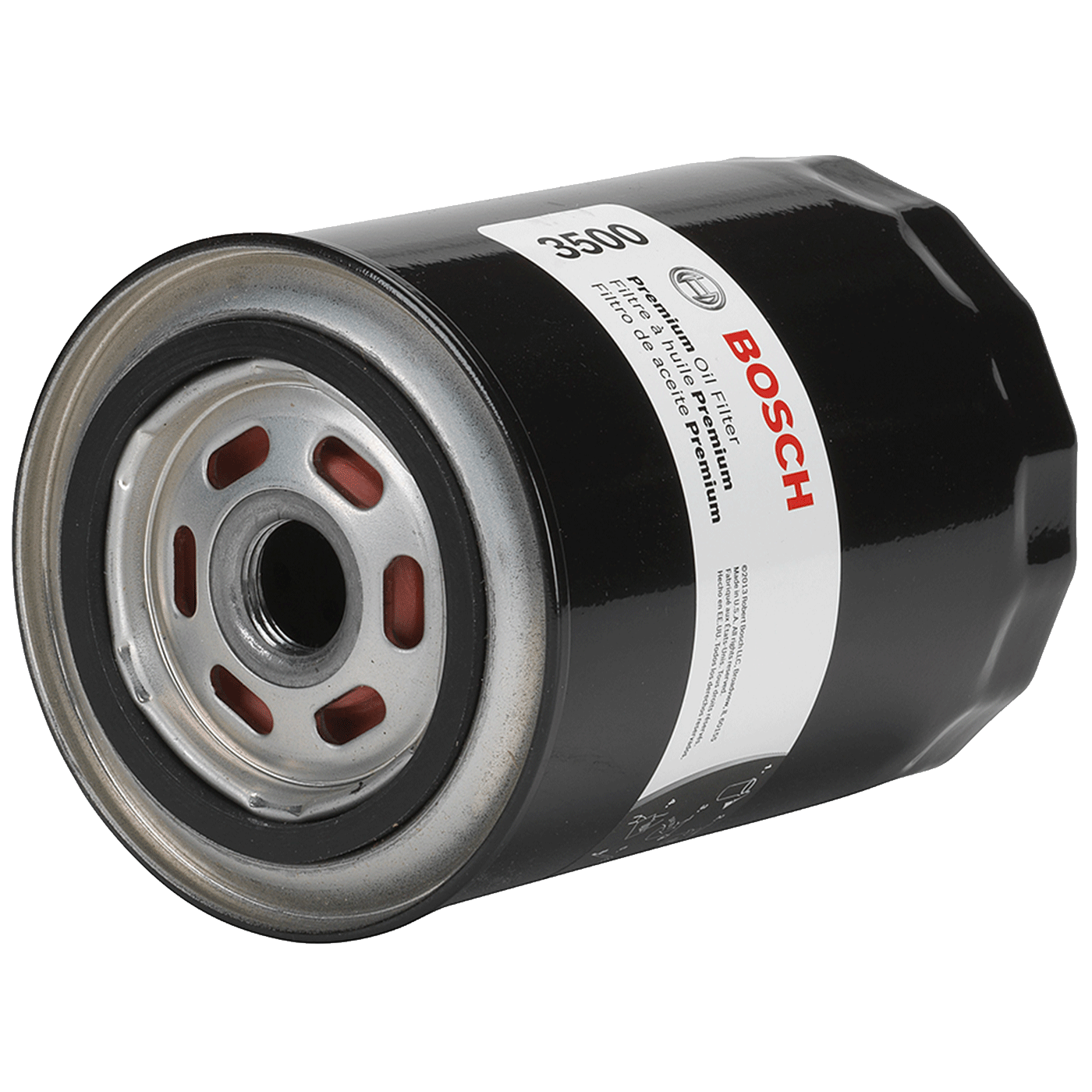
| Oil filter (match to vehicle) | Filter contaminants | $10-25 |
| 17mm or 14mm wrench | Remove drain plug | $10 |
| Oil filter wrench | Remove oil filter | $5-10 |
| Jack and jack stands | Lift vehicle | $50-100 |
| Funnel | Pour new oil | $3 |
| Drain pan | Catch old oil | $10-15 |
Steps
- Warm the engine. Run for 5 minutes so the oil flows freely.
- Lift and support the vehicle on jack stands.
- Locate and remove the drain plug. Place a drain pan underneath.
- Let the oil drain for 5-10 minutes.
- Remove the oil filter. Use an oil filter wrench.
- Prepare the new filter. Apply oil to the rubber gasket.
- Install the new filter. Hand-tighten, then 3/4 turn more.
- Reinstall the drain plug with a new crush washer.
- Add new oil through the filler cap using a funnel.
- Check the level with the dipstick after 2 minutes.
- Start the engine and check for leaks.
- Reset the oil life monitor if equipped.
- Dispose of old oil at any auto parts store or recycling center.
Time: 30-45 minutes. Difficulty: Beginner to Intermediate.
Signs Your Vehicle Needs an Oil Change
- Oil life monitor reads 5% or less
- Dark, gritty oil on the dipstick (healthy oil is amber and smooth)
- Engine is louder than normal
- Burning oil smell
- Check engine light with oil-related code
- It has been over 12 months since the last change
What Happens If You Use the Wrong Oil?
| Wrong Oil | Consequence | Severity |
|---|---|---|
| Wrong viscosity (too thick) | Reduced fuel economy, hard cold starts | Medium |
| Wrong viscosity (too thin) | Low oil pressure, engine wear | High |
| Conventional instead of synthetic | Faster breakdown, sludge buildup | High |
| Wrong diesel spec (no ACEA C3) | DPF clogging, $2,000-5,000 damage | Critical |
| Overfilling | Foaming, seal damage, catalytic converter damage | High |
| Underfilling | Low oil pressure, engine damage | Critical |
Frequently Asked Questions
Q: How do I find out what oil my car takes in Australia?
A: Check three places: (1) the oil filler cap on top of the engine, which often lists the recommended viscosity, (2) the owner’s manual, which has the exact capacity and specification, and (3) the quick reference table in this guide. If you do not have the manual, search your vehicle year, make, model, and engine size online or call a dealer parts department.
Q: Can I use 5W-30 instead of 0W-20 in Australia?
A: It depends on your vehicle. If your owner’s manual specifies 0W-20 as the only acceptable viscosity, using 5W-30 can reduce fuel economy and may void your warranty. If the manual lists 5W-30 as an acceptable alternative, it is fine. In Australia’s warmer climate, 5W-30 is often an acceptable substitute for 0W-20, but always check your manual first.
Q: How much oil does my car need in liters?
A: A typical 4-cylinder engine takes 4-5 liters, a 6-cylinder takes 5-7 liters, and a V8 takes 7-10 liters. The exact amount varies by engine size, oil filter type, and model year. Check the quick reference table in this guide or your owner’s manual for the exact capacity. Always buy one extra liter to have on hand for top-ups.
Q: Is synthetic oil worth the extra cost in Australia?
A: Yes, if your vehicle specifies it. Synthetic oil lasts longer (10,000-15,000 km vs 5,000-7,500 km for conventional), protects better at extreme temperatures, resists sludge, and improves fuel economy slightly. The cost difference is $20-35 per oil change. If your vehicle is 2010 or newer, it almost certainly requires synthetic. Diesel vehicles with DPFs must use synthetic oil that meets the ACEA C2/C3 specification.
Q: What happens if I overfill the engine oil?
A: Overfilling by more than 1 liter can cause the crankshaft to whip the oil into a foam, reducing lubrication. It can also force oil past seals and into the intake, damaging the catalytic converter. If you overfill by more than 1 liter above the MAX line on the dipstick, drain the excess immediately.
Q: Can I mix synthetic and conventional oil?
A: Yes, but it is not ideal. Mixing synthetic and conventional will not damage your engine because they are compatible. However, the mixture will have properties somewhere between the two, meaning you lose some of the synthetic’s benefits. If you need to top up with conventional because that is all you have, it is fine for a short time. Change to the correct oil at the next interval.
Sources & References
- Manufacturer owner’s manuals (Toyota, Ford, Holden, Mazda, Hyundai, Kia, Mitsubishi, Nissan, Subaru, Volkswagen, Isuzu, Honda)
- API (American Petroleum Institute) – Oil specification standards
- ACEA (European Automobile Manufacturers Association) – Oil sequences for European vehicles
- Penrite Oil – Australian oil manufacturer specifications
- Nulon Products – Australian oil manufacturer specifications
- RepairPal – Average oil change cost estimates by vehicle
Related articles on CarsDailyHub:
– Engine Oil & Fluids: Complete Guide
– Engine Oil Capacity Chart for All Vehicles in the United States
– 6.7 Cummins Oil Capacity Guide
– Overdue Oil Change Symptoms: What to Watch For
– How to Test Cold Cranking Amps With a Multimeter