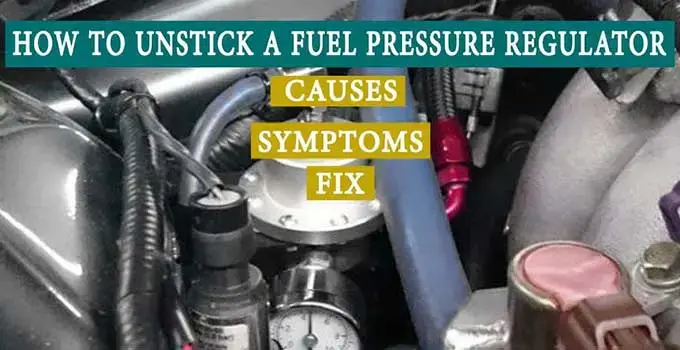
How to Unstick a Fuel Pressure Regulator (and When to Replace It)

By the CarsDailyHub Editorial Team | Automotive writers; every guide fact-checked against OEM service procedures | Updated June 2026
Quick Answer: You can sometimes free a mildly stuck fuel pressure regulator by cleaning it with fuel-system cleaner, cycling vacuum to the diaphragm, and clearing debris, but be honest with yourself: a regulator that is truly stuck open or closed, or that has a ruptured diaphragm, should be replaced. The regulator is an inexpensive part, and a half-fixed fuel system risks a rich or lean condition, poor running, and even catalytic converter damage. Try the cleanup steps, but plan to replace it if symptoms persist.
This guide explains how to attempt to free a stuck fuel pressure regulator (FPR) and how to know when replacement is the only real fix. Observe fuel-safety precautions throughout. Last reviewed: June 2026.
Table of Contents
- What “Stuck” Means: Open vs Closed
- Symptoms of a Stuck FPR
- Before You Start: Safety
- Steps to Try to Unstick It
- The Honest Truth: When to Replace
- How to Prevent It Happening Again
- Frequently Asked Questions
- Sources & References
What “Stuck” Means: Open vs Closed
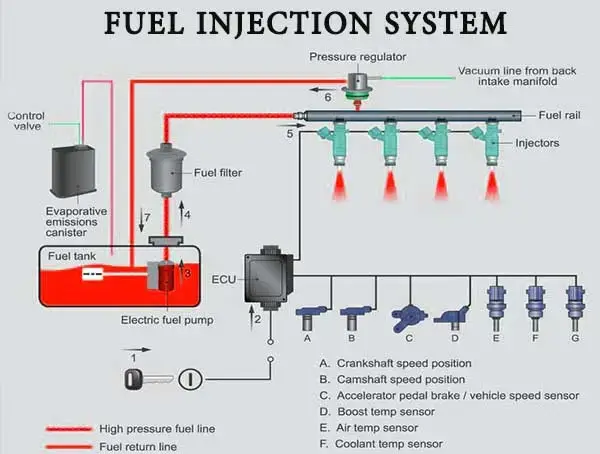
A fuel pressure regulator controls fuel pressure by opening and closing an internal valve against a spring and a vacuum-referenced diaphragm. It can stick in two ways:
- Stuck open: fuel returns to the tank too freely, so rail pressure is too low. The engine runs lean, hesitates, and may be hard to start.
- Stuck closed: fuel cannot return, so rail pressure is too high. The engine runs rich, smells of fuel, smokes black, and wastes fuel.
Debris, varnish from old fuel, or a tired diaphragm and spring cause the sticking. Knowing which way it is stuck tells you what symptoms to expect and helps confirm the diagnosis.
Symptoms of a Stuck FPR
| Stuck Open (low pressure) | Stuck Closed (high pressure) |
|---|---|
| Hard starting, long crank | Rich running, black smoke |
| Hesitation, lean stumble | Strong fuel smell |
| Lack of power under load | Poor fuel economy |
| Possible lean codes | Fouled spark plugs |
| Stalling | Fuel in the vacuum line (if diaphragm torn) |
Before You Start: Safety
Fuel is highly flammable. Work in a well-ventilated area, keep sparks and flames away, wear eye protection, and relieve the fuel system pressure following your vehicle’s procedure before disconnecting anything. Have rags and a fire extinguisher on hand. If you are not comfortable working around pressurized fuel, this is a job for a shop.
Steps to Try to Unstick It
These steps may free a mildly stuck regulator gummed up by varnish or debris. They are worth a try before replacement, but keep your expectations realistic.
- Add a quality fuel-system cleaner to a low tank and drive normally for a tank or two. Detergents can dissolve light varnish in the fuel system, including around the regulator valve, sometimes enough to restore movement.
- Cycle the vacuum on a vacuum-referenced FPR: with the engine running, gently connect and disconnect the vacuum line a few times (and try a hand vacuum pump) to work the diaphragm. Watch fuel pressure on a gauge to see if it begins responding.
- Inspect and clean the vacuum port and line for blockage, a blocked vacuum signal can make a healthy regulator behave as if stuck.
- Check the fuel filter, a clogged filter can mimic a stuck-open (low pressure) regulator; replacing it is cheap and may solve the symptom entirely.
- Remove and inspect (if accessible). On some systems you can remove the regulator, inspect the valve and screen, and carefully clean debris with appropriate cleaner. Reinstall with a new O-ring.
- Re-test with a gauge. Confirm pressure is back in spec and responds to vacuum. If it does, you may have freed it.
The Honest Truth: When to Replace
It is important to be realistic. The cleanup steps above only help a regulator that is mildly gummed up. You should replace the regulator if:
- The diaphragm is ruptured (fuel in the vacuum line), no cleaning fixes a torn diaphragm.
- Pressure is still out of spec after cleaning.
- The regulator does not respond to vacuum changes.
- Symptoms (rich/lean, hard start, smoke) persist.
A fuel pressure regulator is a relatively inexpensive part, and chasing a stuck one with repeated cleanups usually costs more in fuel, fouled plugs, and frustration than simply replacing it. Treat “unsticking” as a long shot, not a reliable repair.
How to Prevent It Happening Again
- Do not run the tank to empty repeatedly, which stirs up sediment.
- Replace the fuel filter on schedule.
- Use quality fuel and occasional fuel-system cleaner to limit varnish.
- Address fuel issues early before deposits build up.
Most sticking comes from old, varnished fuel and debris, both of which good fuel habits reduce.
Frequently Asked Questions
Q: Can you actually unstick a fuel pressure regulator?
A: Sometimes, if it is only mildly gummed up with varnish or debris. Adding a quality fuel-system cleaner, cycling the vacuum to work the diaphragm, and clearing the vacuum port can occasionally restore proper operation. But a regulator with a torn diaphragm or one that is truly stuck will not be fixed this way and should be replaced. Treat unsticking as a long shot.
Q: What are the symptoms of a stuck fuel pressure regulator?
A: A regulator stuck open causes low fuel pressure, hard starting, hesitation, a lean stumble, and stalling. A regulator stuck closed causes high pressure, rich running, black smoke, a strong fuel smell, poor economy, and fouled plugs. Finding raw fuel in the vacuum line means the diaphragm has ruptured, which requires replacement.
Q: Will fuel injector cleaner fix a stuck fuel pressure regulator?
A: It can help if the regulator is stuck from light varnish, because the detergents may dissolve deposits around the valve as fuel passes through. It will not repair a ruptured diaphragm, a worn spring, or a heavily stuck valve. It is a cheap first thing to try, but do not count on it as a cure if the regulator is genuinely failed.
Q: Is it worth fixing a stuck FPR or should I just replace it?
A: In most cases replacement is the smarter choice. A fuel pressure regulator is an inexpensive part, and running a half-working one wastes fuel, fouls plugs, and can damage the catalytic converter if it runs rich. Try the cleanup steps if you like, but if symptoms persist or the diaphragm is torn, replace it.
Q: Can a stuck fuel pressure regulator damage my engine?
A: Indirectly, yes. A regulator stuck closed runs the engine rich, which can foul plugs and overheat and damage the catalytic converter over time. A regulator stuck open runs it lean, which causes misfires and can stress the engine. Neither is something to leave unaddressed, so fix or replace the regulator promptly.
Sources & References
- Manufacturer service procedures for fuel pressure regulator diagnosis and replacement
- Industry guidance on fuel-system deposits and cleaners
- Fuel-system safety best practices
- Repair information references for fuel pressure specifications
Related articles on CarsDailyHub:
– Car Problem Solver: Complete Symptom Guide
– How to Test a Fuel Pressure Regulator
– How to Use an OBD Scanner
– How to Fix P1101 on a Chevy Malibu