2008 Toyota 4Runner VSC Off and Check Engine Light: Causes and Fix

By the CarsDailyHub Editorial Team | Automotive writers; every article fact-checked against Toyota’s owner’s manual and OEM service documentation | Updated June 2026
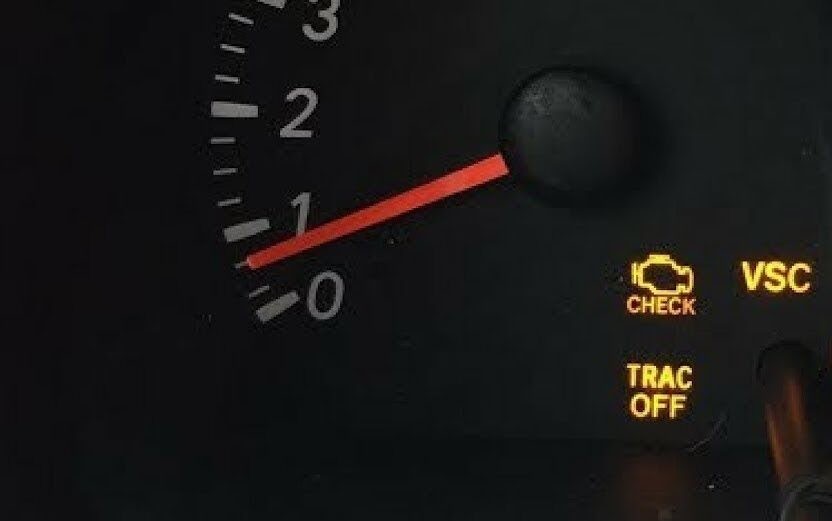
Quick Answer: When the VSC OFF, TRAC OFF, and check engine lights come on together in a 2008 Toyota 4Runner, it is almost always one problem, not three. An engine fault sets a check engine code, and because the stability system (VSC) depends on a healthy engine, the computer disables VSC and TRAC as a precaution. The most common harmless cause is a loose or failing gas cap (an evaporative emissions code). Fix the engine code and the VSC and TRAC lights clear, usually on their own or with a quick code reset.
This guide covers the VSC/TRAC and check engine light combination on the 2008 Toyota 4Runner (4.0L V6 1GR-FE and 4.7L V8 2UZ-FE). Last reviewed: June 2026.
Table of Contents
- Why These Three Lights Come On Together
- The Most Common Causes
- Step 1: Check the Gas Cap
- Step 2: Read the Codes
- Common Codes on the 4Runner
- How to Reset the Lights
- Frequently Asked Questions
- Sources & References
Why These Three Lights Come On Together
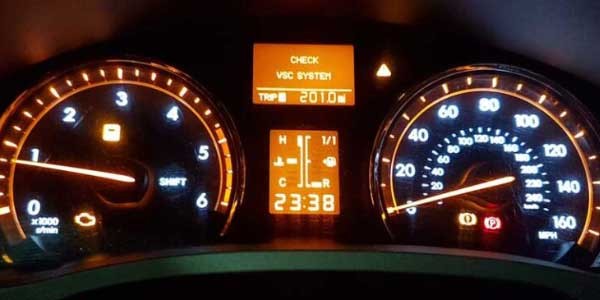
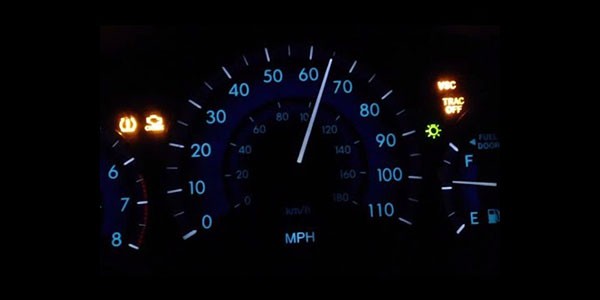
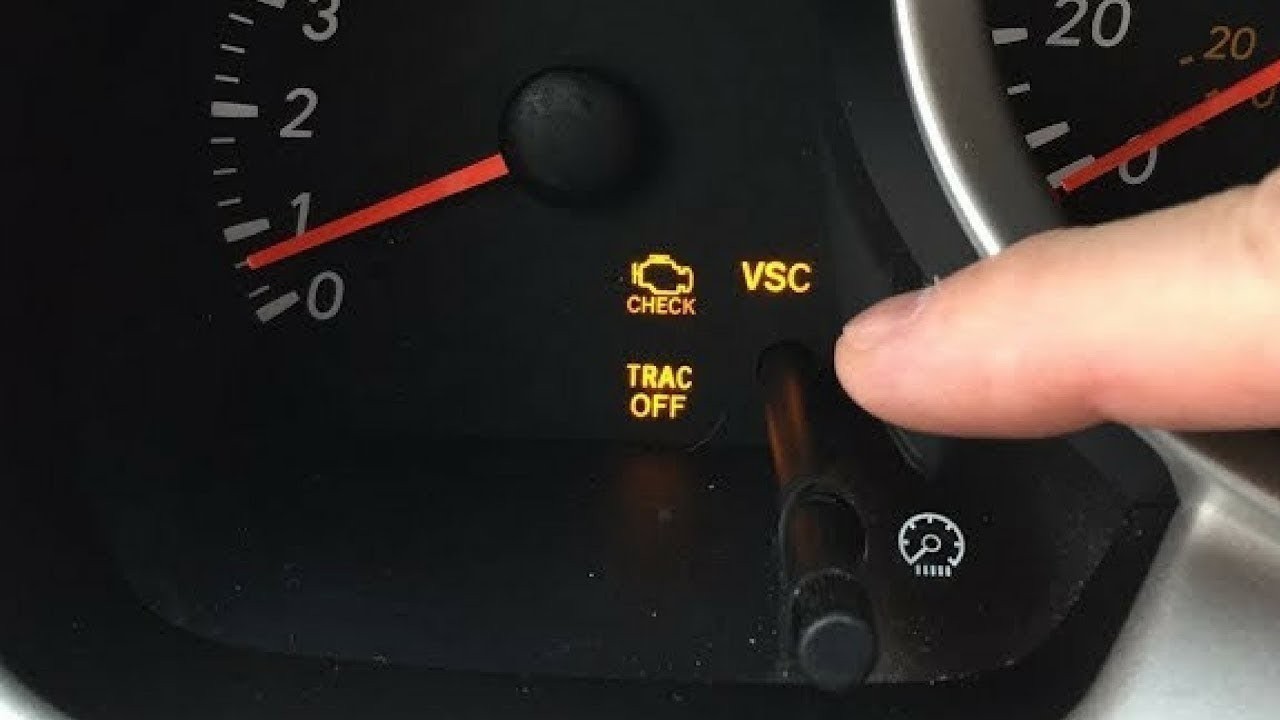
This combination confuses every 4Runner owner the first time. You see the check engine light, and a moment later VSC OFF and TRAC OFF (or a flashing “slip” indicator) join it. It looks like the stability system broke at the same moment as the engine. It did not.
Here is the logic: Toyota’s Vehicle Stability Control (VSC) and Traction Control (TRAC) rely on the engine running correctly to manage torque during an intervention. When the engine control computer detects a fault and sets a check engine code, it deliberately disables VSC and TRAC because stability control should not be active with a misbehaving engine. So the VSC OFF and TRAC OFF lights are symptoms, and the engine code is the cause. Fix the engine code and the traction lights follow it out.
The Most Common Causes
| Cause | Likelihood | Notes |
|---|---|---|
| Loose or failing gas cap (EVAP) | Very high | The classic cause; sets P0440-series codes |
| Air-fuel ratio / oxygen sensor | Common | Aging sensors on higher-mileage 4Runners |
| Small EVAP leak (hose, purge valve) | Common | Beyond the cap; needs a smoke test |
| Misfire (plugs, coil) | Occasional | Flashing check engine = active misfire |
| Other engine sensor faults | Varies | Any engine code can disable VSC/TRAC |
The single most frequent and cheapest cause is the gas cap, which is exactly why you start there.
Step 1: Check the Gas Cap
The evaporative emissions (EVAP) system is sealed and monitored for leaks, and a gas cap that is loose, cracked, or has a hardened seal is the number-one trigger for this light combination on Toyotas.
- Remove the gas cap and inspect the rubber seal for cracks or hardening.
- Reinstall it and turn until it clicks at least once, the click means it has sealed.
- Wipe the filler neck clean so the cap seats properly.
- Drive for a day or two. The computer re-runs its EVAP self-test, and if the leak is gone, the codes can clear on their own.
If the light returns after a few days with a properly tightened cap, replace the cap with a genuine Toyota cap; an aged seal can fail even when tight.
Step 2: Read the Codes
If the gas cap does not resolve it, get the codes read, free at most US auto parts stores or with a basic scanner. The code identifies the actual engine fault behind the VSC/TRAC lights. Do not replace parts by guessing; the code tells you which system to investigate. Note whether any code is a misfire and whether the check engine light is flashing, which signals an active misfire that needs prompt attention.
Common Codes on the 4Runner
| Code | Meaning | Typical cause |
|---|---|---|
| P0440 / P0441 / P0446 | EVAP system fault | Gas cap, purge valve, or EVAP leak |
| P0455 | Large EVAP leak | Loose or failed gas cap |
| P0136 / P0141 | Oxygen sensor circuit | Aging O2 sensor |
| P0125 / P0171 | Fuel/air or lean condition | Sensor, intake leak |
| P0300-P0306 | Misfire | Spark plugs, coil |
These are examples; your specific code guides the repair. EVAP-related codes are the most common with this light combination.
How to Reset the Lights
Once the underlying fault is fixed:
- Best method, scan tool: clear the codes, and all three lights (check engine, VSC OFF, TRAC OFF) go out at once.
- Drive cycles: after a gas-cap fix, the check engine light may self-clear after several drive cycles, and the VSC/TRAC lights follow.
- Battery disconnect: clears codes too, but it is a blunt method that also resets other learned settings; a scan-tool clear is cleaner.
If the lights return after clearing, the fault was not fully fixed, recheck the codes.
Frequently Asked Questions
Q: Why are my 2008 4Runner’s VSC, TRAC, and check engine lights all on?
A: Because the stability system depends on a healthy engine, a single engine fault usually disables VSC and TRAC at the same time it sets the check engine light. It looks like three problems but is almost always one. The most common cause is a loose or failing gas cap that sets an evaporative emissions code. Fix the engine code and all three lights clear.
Q: Can a gas cap really cause the VSC light on a 4Runner?
A: Yes, indirectly. A loose, cracked, or worn gas cap creates an evaporative emissions leak that sets a check engine code, and that engine code causes the computer to disable VSC and TRAC. Tightening or replacing the gas cap and clearing the code resolves the whole light combination in a large share of cases.
Q: Is it safe to drive my 4Runner with VSC OFF and the check engine light on?
A: Usually yes, carefully. The vehicle drives normally, but stability and traction control are disabled, so avoid slippery roads, hard cornering, and aggressive off-road use until it is fixed. The exception is a flashing check engine light, which means an active misfire, in that case reduce speed and get it checked the same day.
Q: Will the VSC and TRAC lights turn off by themselves after I fix the gas cap?
A: Often they will, but not always immediately. The check engine light may self-clear after several drive cycles once the computer confirms the leak is gone, and the VSC and TRAC lights usually follow. To turn them off right away, clear the codes with a scan tool after fixing the cause.
Q: What if the gas cap isn’t the problem?
A: Have the codes read to find the actual engine fault. On the 2008 4Runner, aging oxygen or air-fuel ratio sensors and small EVAP leaks beyond the cap (a hose or the purge valve) are common next suspects. Repair whatever the code points to, then clear the codes; the VSC and TRAC lights clear once the engine fault is resolved.
Sources & References
- Toyota Motor Corporation, 2008 Toyota 4Runner Owner’s Manual
- Toyota service information on VSC/TRAC operation and EVAP diagnostics
- SAE J2012 OBD-II code definitions (P0440-series, P0455, O2 sensor codes)
- NHTSA complaint database for the Toyota 4Runner (nhtsa.gov)
Related articles on CarsDailyHub:
– Car Problem Solver: Complete Symptom Guide
– How to Fix Check VSC System on a Toyota
– Toyota Sienna Check Engine, VSC, and Trac Off
– How to Use an OBD Scanner