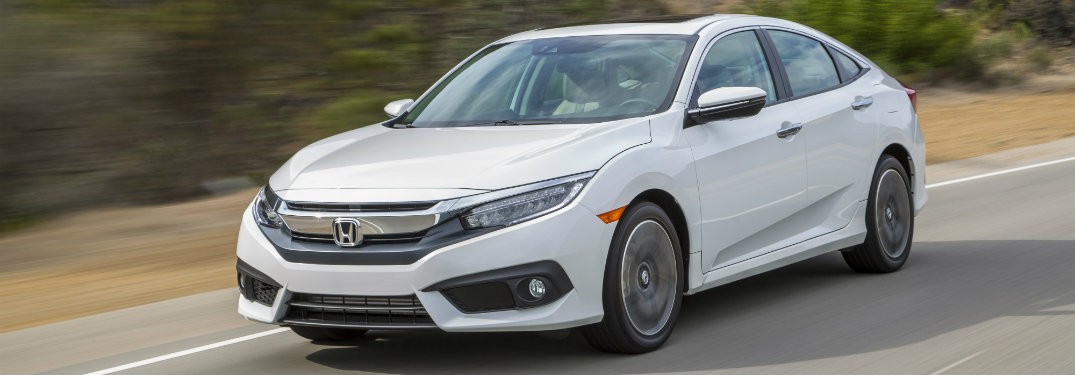
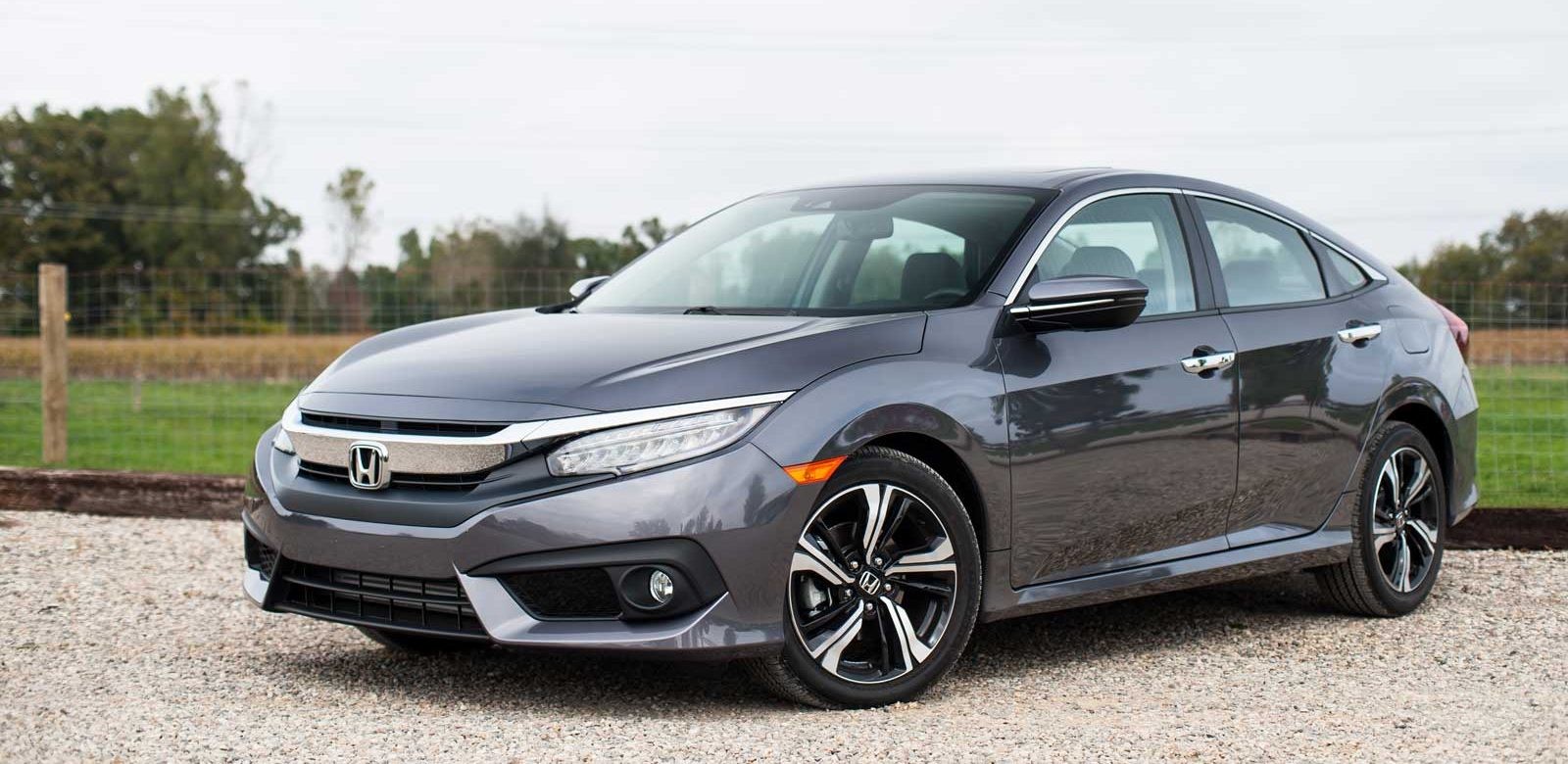
2016 Honda Civic Oil Type and Capacity: Exact Specs

By the CarsDailyHub Editorial Team | Automotive writers; every article fact-checked against Honda’s owner’s manual and OEM service documentation | Updated June 2026
Quick Answer: The 2016 Honda Civic uses 0W-20 full synthetic oil in both its engines. The 2.0L four-cylinder holds about 3.7 US quarts with a filter change, and the 1.5L turbo holds about 3.7 US quarts as well. Honda specifically recommends 0W-20, and full synthetic is the right choice, especially on the 1.5L turbo, which can be prone to fuel dilution in cold, short-trip driving.
This guide covers engine oil specifications for the 2016 Honda Civic (2.0L naturally aspirated and 1.5L turbo). Last reviewed: June 2026.
Table of Contents
- 2016 Civic Oil Specs by Engine
- Oil Type and Viscosity
- The 1.5L Turbo Fuel-Dilution Note
- Oil Filter Information
- How Often to Change the Oil
- Frequently Asked Questions
- Sources & References
2016 Civic Oil Specs by Engine
| Engine | Oil Capacity (with filter) | Recommended Viscosity | Oil Type |
|---|---|---|---|
| 2.0L I4 (R20) | ~3.7 US qt (3.5 L) | 0W-20 | Full synthetic |
| 1.5L Turbo (L15B7) | ~3.7 US qt (3.5 L) | 0W-20 | Full synthetic |
Capacities are approximate and assume a filter change. Always fill to the dipstick mark and confirm against your owner’s manual.
Oil Type and Viscosity
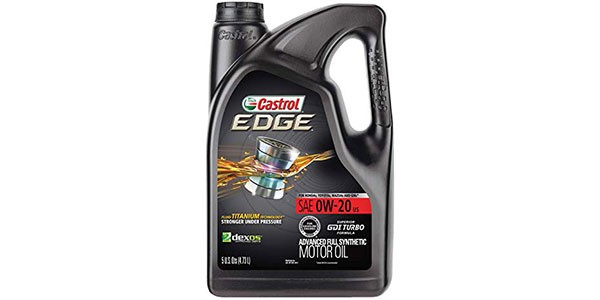
Honda recommends 0W-20 for the 2016 Civic, and it should be a full synthetic. The “0W” gives excellent cold-start flow, and the “20” provides the thin, low-friction film Honda’s engines are designed around for fuel economy. Using a thicker oil than specified can actually reduce efficiency and is not recommended unless a Honda technician advises it for a specific reason.
Honda also markets its own 0W-20 full synthetic, but any reputable 0W-20 meeting the required API/ILSAC specification is appropriate.
The 1.5L Turbo Fuel-Dilution Note
The 1.5L turbo (L15B7) of this era became known for fuel dilution, gasoline seeping past the rings into the oil, particularly in cold climates and on short trips where the engine never fully warms up. Diluted oil smells of fuel, reads above the full mark on the dipstick, and loses some protective quality.
Honda addressed this with software updates and, in cold-climate regions, related service actions. For owners, the practical takeaways are: use full synthetic 0W-20, do not stretch oil-change intervals on a short-trip 1.5L turbo, take the car for an occasional longer drive to burn off moisture and fuel, and if the dipstick rises and smells strongly of gas, change the oil and have the updates checked.
Oil Filter Information
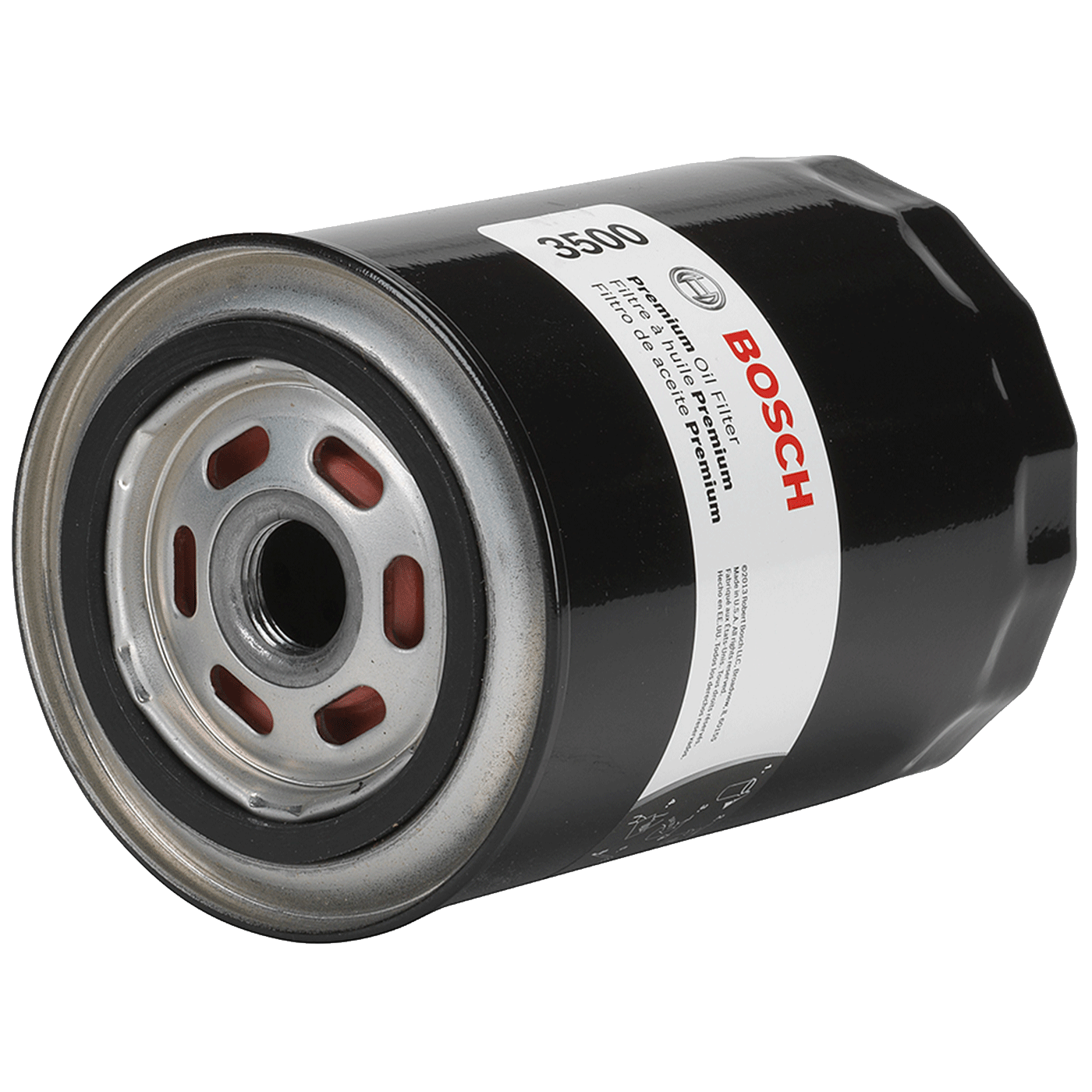
Both engines use a spin-on Honda oil filter (common part numbers include 15400-PLM-A02 or the equivalent for your engine). Use a quality filter rated for the change interval, and replace the filter at every oil change. A genuine Honda filter or a reputable equivalent is worth the small cost.
How Often to Change the Oil
The 2016 Civic uses Honda’s Maintenance Minder, which calculates oil life based on how you drive and prompts you when a change is due:
- Normal driving with synthetic: the Minder commonly lands somewhere around 6,000 to 10,000 miles, but follow the actual percentage.
- Short trips and cold climate (especially 1.5L turbo): change sooner and do not let oil life run to zero, fuel dilution makes timely changes more important.
- Always change at least once a year even if mileage is low.
Resetting the Maintenance Minder after each change keeps the calculation accurate.
Frequently Asked Questions
Q: How much oil does a 2016 Honda Civic take?
A: Both the 2.0L and the 1.5L turbo hold about 3.7 US quarts with a filter change. The figure is approximate, so add most of it, run the engine briefly, then check the dipstick and top up to the mark rather than pouring in an exact amount. Always confirm against your owner’s manual.
Q: What oil does a 2016 Civic use?
A: Honda recommends 0W-20 full synthetic for both the 2.0L and the 1.5L turbo. The thin, low-friction oil is part of the engine’s design for fuel economy, so do not substitute a thicker grade unless specifically advised. Honda sells its own 0W-20, but any reputable 0W-20 meeting the required specification works.
Q: Can I use 5W-20 instead of 0W-20 in my 2016 Civic?
A: Honda specifies 0W-20, and that is what you should use. 0W-20 flows better at cold start, which matters for both protection and the engine’s efficiency tuning. While 5W-20 is close in warm conditions, sticking with the specified 0W-20 full synthetic is the right call, particularly in cold climates.
Q: Why is my 2016 Civic 1.5 turbo oil level rising and smelling like gas?
A: That is the known fuel-dilution behavior of the 1.5L turbo, more common in cold climates and on short trips where the engine does not fully warm up. Use full synthetic 0W-20, change the oil on time rather than stretching it, take occasional longer drives, and have Honda’s applicable software updates applied. If the level rises significantly, change the oil promptly.
Q: How often should I change the oil in a 2016 Civic?
A: Follow the Maintenance Minder, which bases the interval on your driving and often lands somewhere between 6,000 and 10,000 miles with synthetic. On a short-trip 1.5L turbo, change sooner and do not run oil life to zero because of fuel dilution. Change the oil at least once a year regardless of mileage, and reset the Minder each time.
Sources & References
- Honda Motor Co., 2016 Honda Civic Owner’s Manual and Maintenance Minder guidance
- Honda service information for R20 and L15B7 engines and 0W-20 specification
- Honda technical communications on 1.5L turbo fuel dilution
- Honda oil filter part references
Related articles on CarsDailyHub:
– Engine Oil Capacity and Type: Vehicle-Specific Guide
– 2017 Honda Civic Oil Type and Capacity
– 2019 Honda Civic Oil Type and Capacity
– Honda CVT Transmission Problems