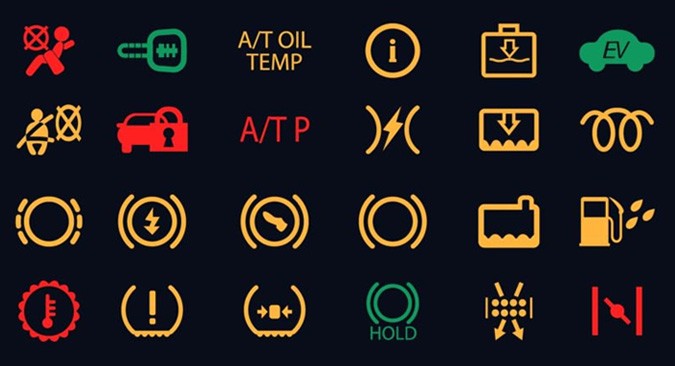
Why Your Car Has a Key Warning Light: Meanings and Fixes

By the CarsDailyHub Editorial Team | Automotive writers; every article fact-checked against manufacturer owner’s manuals | Updated June 2026
Quick Answer: A key symbol on your dashboard relates to your car’s security (immobilizer) and keyless system, not the engine. A green or amber key that flashes briefly when parked is normal, it shows the immobilizer is armed. A key light that stays on while driving, or a “Key not detected” / “No key detected” message, usually means a weak fob battery, a key out of range, or an immobilizer that cannot read the key’s transponder. A red key often signals a security fault that can prevent starting.
This guide explains the key and immobilizer warning symbols common across most modern vehicles. Always check your owner’s manual for your exact symbol and color. Last reviewed: June 2026.

Table of Contents
- What the Key Warning Light Actually Means
- Key Light Meanings by Color
- Common Causes of a Key Warning Light
- How to Diagnose and Fix It (Step by Step)
- Keyless / Push-Button Start “Key Not Detected”
- When It Stops the Car From Starting
- How Much It Costs to Fix
- Frequently Asked Questions
- Sources & References
What the Key Warning Light Actually Means
The key symbol is tied to your car’s immobilizer, an anti-theft system that only lets the engine start when it recognizes a coded chip (a transponder) in your key or fob. Every time you start the car, the immobilizer “asks” the key for its code. If it gets the right answer, the engine starts. If it does not, the immobilizer blocks the fuel or ignition and the key light warns you.
Because of this, the key light has nothing to do with the engine’s mechanical health. It is purely a security and key-recognition indicator. That also means the fixes are usually cheap and simple, a fob battery, key positioning, or a relearn, rather than a major repair.
Key Light Meanings by Color
Color tells you a lot about urgency:
- Green or amber key, flashing briefly when the car is locked or off: Normal. This is the immobilizer showing it is armed and guarding the car. No action needed.
- Amber/yellow key, steady or flashing while driving: A caution. The system has a recognition or communication issue, often a low fob battery or an intermittent immobilizer fault. The car may still run now, but address it before it leaves you stranded.
- Red key, or a key with a lock/car: A security fault. The immobilizer may not authorize starting, or it has detected a problem. This often appears right when the car refuses to start.
- Key with a car outline and “not detected” message (keyless cars): The car cannot sense a valid fob inside the cabin, usually a dead fob battery or interference.
Common Causes of a Key Warning Light
The same handful of causes account for the large majority of key-light cases across brands:
| Cause | What happens | How common |
|---|---|---|
| Weak or dead fob battery | The fob’s signal is too weak for the car to read | Very common |
| Key out of range / wrong position | Keyless car cannot detect the fob | Common |
| Transponder not recognized | The immobilizer cannot read the chip in the key | Common |
| Aftermarket or unprogrammed key | A spare key was never coded to the car | Common with spares |
| Immobilizer antenna ring fault | The ring around the ignition cannot read the key | Occasional |
| Low 12V vehicle battery | Low voltage upsets the security module | Occasional |
| Security module / wiring fault | The immobilizer ECU itself has a fault | Less common |
How to Diagnose and Fix It (Step by Step)
Work from the cheapest and most likely cause to the rarest:
- Replace the key fob battery. This is the single most common fix. Most fobs use a CR2032 or CR2025 coin cell that costs a couple of dollars. A weak battery is enough to stop the car reading the fob even if the buttons still lock the doors.
- Hold the key in the right spot. On push-button cars, the manual lists a backup location, often touching the fob to the start button, or a slot or tray in the console, so the car can read the chip directly when the battery is weak.
- Try the spare key. If the spare works and the main key does not, the problem is the key, not the car. If neither works, the issue is more likely the car’s immobilizer or 12V battery.
- Check the 12V battery. A weak vehicle battery can confuse the security module and trigger key faults. Test it, a healthy battery reads about 12.6V at rest.
- Cycle the ignition. Turn the car fully off, wait a minute, and try again. This clears some temporary glitches.
- Scan for codes. If the light stays on, an immobilizer-capable scan tool can read security and immobilizer fault codes that a basic reader cannot. This points to the antenna ring, the module, or wiring.
- Re-program or cut a new key. If a key is unrecognized or was never coded, a dealer or an automotive locksmith can program it to the car.
Keyless / Push-Button Start “Key Not Detected”
On keyless cars, a “Key not detected,” “No key detected,” or “Key fob battery low” message is almost always one of these:
- Dead fob battery is by far the most common, replace it first.
- Signal interference from other key fobs, a phone, or wireless chargers placed near the fob can block detection. Move the fob away from such items.
- Fob left out of the cabin, the system only authorizes starting when it senses the fob inside the car.
When the battery is too weak to be sensed wirelessly, almost every keyless car has a backup: bring the fob physically against the start button (or place it in the designated tray) and press to start. The manual shows the exact method for your model.
When It Stops the Car From Starting
If the key light is on and the engine cranks but will not fire, or will not crank at all, the immobilizer is likely blocking the start. Try this:
- Use the mechanical/emergency key or the fob’s backup start position.
- Make sure no second key fob is touching the working one, two transponders close together can confuse the reader.
- Try the spare key.
- If nothing works and the 12V battery is healthy, the immobilizer has likely lost recognition of the key, which needs a scan and possibly a key relearn at a dealer or locksmith.
Never assume a no-start with a key light is engine damage. It is a security lockout, and the engine itself is usually fine.
How Much It Costs to Fix
| Fix | Typical Cost | Where |
|---|---|---|
| Fob coin-cell battery | $3-10 | DIY |
| Immobilizer/security scan | $40-120 | Shop or locksmith |
| 12V battery replacement | $120-250 | Shop or DIY |
| Spare key cut and programmed | $80-300+ | Dealer or auto locksmith |
| Immobilizer antenna ring | $100-300 | Shop |
| Security module repair | $200-700+ | Dealer |
Costs vary by brand and key technology (a basic transponder key is cheap to replace; a proximity smart key is far more expensive). A locksmith is often cheaper than a dealer for key programming.
Frequently Asked Questions
Q: Why is the key light flashing when my car is parked and locked?
A: That is normal. A green or amber key that blinks while the car is off and locked is the immobilizer showing it is armed and protecting the vehicle against theft. It needs no action. You only need to worry if the key light stays on while driving or appears with a “key not detected” message.
Q: My car says “key not detected” but the fob is in my pocket. What’s wrong?
A: The most common cause is a weak or dead fob battery, replace the coin cell first. Interference from another fob, a phone, or a wireless charger near the fob can also block detection. As a backup, hold the fob against the start button or place it in the designated tray and press to start, then get the battery replaced.
Q: Can a key warning light stop my car from starting?
A: Yes. The key light is tied to the immobilizer, which can block the engine from starting if it cannot recognize the key. This is a security lockout, not engine damage. Try the spare key or the fob’s backup start position, and if the car still will not start with a healthy 12V battery, the immobilizer needs a scan and possibly a key relearn.
Q: Is the key warning light an engine problem?
A: No. The key symbol relates only to the security and keyless system, not the engine’s mechanical condition. The good news is that the fixes are usually cheap, most often a fob battery or a key relearn, rather than a major repair.
Q: Will a low car battery trigger the key light?
A: It can. A weak 12V vehicle battery sometimes drops voltage enough to upset the security module and trigger key or immobilizer warnings. If your key light appeared along with slow cranking or other electrical glitches, test the battery first, a healthy one reads about 12.6V at rest.
Q: Can I program a new key myself?
A: For some older vehicles with transponder keys, an owner relearn procedure exists in the manual, but most modern proximity keys must be programmed with a scan tool. A dealer or an automotive locksmith can cut and code a new key, and a locksmith is often the cheaper option.
Sources & References
- Manufacturer owner’s manuals covering immobilizer and keyless entry systems
- SAE and ISO standards on vehicle immobilizer and transponder systems
- Automotive locksmith industry guidance on key programming
- NHTSA consumer information on vehicle anti-theft systems (nhtsa.gov)
Related articles on CarsDailyHub:
– Complete Guide to All Car Dashboard Warning Lights
– Suzuki Swift Dashboard Lights and Meanings
– Will Disconnecting the Battery Reset My Car’s Systems?
– How to Use an OBD2 Scanner