Why Your Car Makes Noise When Turning Right

By the CarsDailyHub Editorial Team | Automotive writers; every guide fact-checked against OEM service procedures | Updated June 2026
Quick Answer: A noise that appears when turning right is most often a worn wheel bearing, and there is a useful trick: turning right shifts weight onto the left wheels, so a hum or growl that gets louder turning right usually means the left (driver’s-side) wheel bearing. Clicking during tight turns points to a CV joint, a whine while turning is often power steering, and a creak or clunk suggests a suspension part like a sway-bar link or ball joint. Match the type of noise and when it happens to find the cause.
This guide explains why a car makes noise specifically when turning right and how to narrow down the part. Last reviewed: June 2026.
Table of Contents
- The Key Clue: Which Side Is Loaded
- Wheel Bearing (Hum or Growl)
- CV Joint (Clicking)
- Power Steering (Whine)
- Suspension (Creak or Clunk)
- How to Diagnose It
- Frequently Asked Questions
- Sources & References
The Key Clue: Which Side Is Loaded
The direction of the turn is a powerful diagnostic clue, especially for wheel bearings. When you turn right, the car’s weight transfers to the left side. A worn wheel bearing makes more noise under load, so a growl or hum that gets louder when you turn right usually points to the left wheel bearing, and vice versa.
This left-loads-on-right-turn logic is the single most useful thing to know when chasing a turning noise. It does not apply to every cause (a CV joint clicks based on the turn angle, not weight), but for a humming or growling bearing it often pinpoints the side.
Wheel Bearing (Hum or Growl)
A failing wheel bearing produces a humming, growling, or roaring that:
- Changes with vehicle speed (often a cyclical drone).
- Gets louder when you turn the opposite way (louder turning right means the left bearing, as above).
- May be felt as a vibration through the floor or steering at speed.
Wheel bearings wear from miles, water intrusion, or impact damage. A noisy bearing should be replaced, a severely worn one can develop play that affects handling and, in extreme cases, fail. It is one of the most common causes of a turning noise.
CV Joint (Clicking)
A clicking or popping during turns, especially tighter, slower turns and under acceleration, points to a worn CV (constant-velocity) joint on a front-wheel-drive or all-wheel-drive car. The outer CV joint clicks when it is worn, often after its protective boot tears and lets grease out and dirt in. A clicking outer CV joint on the right side may be most noticeable turning one direction. A torn CV boot caught early can sometimes be replaced before the joint is ruined; a clicking joint usually needs the axle (or joint) replaced.
Power Steering (Whine)
A whine or groan that rises as you turn the wheel, and is loudest at full lock, often points to the power steering system on hydraulic setups: low power steering fluid, air in the system, or a failing power steering pump. Check the fluid level first, it is the cheapest cause, and look for leaks. On electric power steering, a whirring or fault may instead trigger a steering warning light and need a scan.
Suspension (Creak or Clunk)
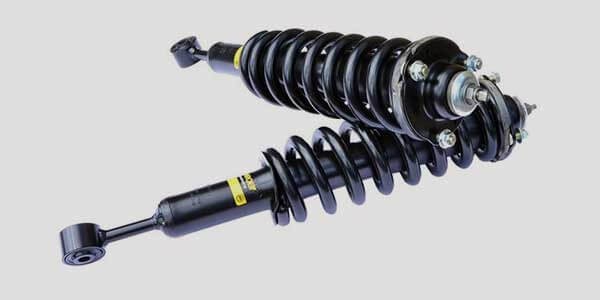
A creak, clunk, or knock when turning (and often over bumps) suggests a suspension or steering component under load:
- Sway-bar (stabilizer) links and bushings: a common clunk or rattle.
- Ball joints and tie-rod ends: creaking or knocking, and a safety concern when worn.
- Strut mounts: a creak or pop when turning the wheel.
- Worn bushings throughout the front end.
These load up during a turn, which is why the noise appears then. Worn steering and suspension parts can affect safety, so have clunks and creaks inspected.
How to Diagnose It
- Identify the noise type: hum/growl (bearing), click (CV joint), whine (power steering), creak/clunk (suspension).
- Note the conditions: at speed (bearing), during tight turns and acceleration (CV), at full steering lock (power steering), over bumps (suspension).
- Use the load trick: louder turning right means the left side for a bearing noise.
- Check power steering fluid if it is a whine.
- Inspect the CV boots for tears and grease, and check for play in wheel bearings and suspension joints (best on a lift).
- Have it inspected if it involves steering or suspension parts, since those affect safety.
Frequently Asked Questions
Q: Why does my car make noise only when turning right?
A: The most common cause is a worn wheel bearing. Turning right shifts the car’s weight to the left side, and a worn bearing gets louder under load, so a growl or hum that increases turning right usually means the left wheel bearing. Clicking during the turn instead suggests a CV joint, a whine points to power steering, and a creak or clunk indicates a suspension part.
Q: How do I know if it’s a wheel bearing or a CV joint?
A: A wheel bearing makes a steady humming or growling that changes with speed and gets louder turning one direction. A CV joint makes a distinct clicking or popping during turns, especially tighter, slower turns under acceleration, and often follows a torn CV boot. The sound itself, a drone versus a click, is the clearest difference.
Q: If the noise is louder turning right, which bearing is bad?
A: Usually the left (driver’s-side) bearing. Turning right transfers weight onto the left wheels, and a worn bearing is louder when it carries more load. So a hum or growl that worsens during right turns typically points to the left wheel bearing. The opposite is true for noises that worsen turning left.
Q: Is it safe to drive with a noisy wheel bearing?
A: For a short time and short distances, often yes, but it is not something to leave indefinitely. A worn bearing develops play and heat, gets louder, and in severe cases can fail, affecting handling and wheel security. Replace it reasonably soon, and avoid long trips on a bearing that is growling loudly or causing vibration.
Q: Why does my car whine when I turn the steering wheel?
A: A whine that rises as you turn, loudest at full lock, usually means low power steering fluid, air in the system, or a failing power steering pump on hydraulic systems. Check and top up the fluid first and look for leaks. On electric power steering, a steering noise may come with a warning light and need a scan rather than fluid.
Sources & References
- Manufacturer service information on wheel bearings, CV joints, steering, and suspension
- Industry guidance on diagnosing turning and cornering noises
- Power steering and suspension service references
- Vehicle safety inspection best practices
Related articles on CarsDailyHub:
– Car Problem Solver: Complete Symptom Guide
– Clicking Noise in Front Wheel When Driving
– Why Your Car Makes a Rattling Noise When Accelerating
– Why Your Car Makes Noise When the AC Is On