Nissan Altima CVT Transmission Problems: Causes, Symptoms, and Fixes

By the CarsDailyHub Editorial Team | Automotive writers; every article fact-checked against OEM service documentation and owner-reported data | Updated June 2026
Quick Answer: The Nissan Altima’s CVT (continuously variable transmission) is known for shuddering, jerking or hesitation when accelerating, a whining or rattling noise, RPM flaring, and overheating that drops the car into a reduced-power “limp” mode. The most affected years are roughly 2013-2018. Causes range from CVT fluid overheating and breakdown to belt-and-pulley wear and valve body issues. Fixes start with the correct fluid service and added cooling, and in worse cases a valve body or full CVT replacement. Nissan extended the CVT warranty on many of these cars, so check your coverage.
This guide covers CVT problems on the Nissan Altima, with emphasis on the 2013-2018 generation that drew the most complaints. Last reviewed: June 2026.
Table of Contents
- Why the Altima Uses a CVT
- Common Altima CVT Problems and Symptoms
- Which Model Years Are Affected
- What Causes Altima CVT Failures
- How These Problems Get Fixed
- Extended Warranty Coverage
- How to Make a CVT Last Longer
- Frequently Asked Questions
- Sources & References
Why the Altima Uses a CVT
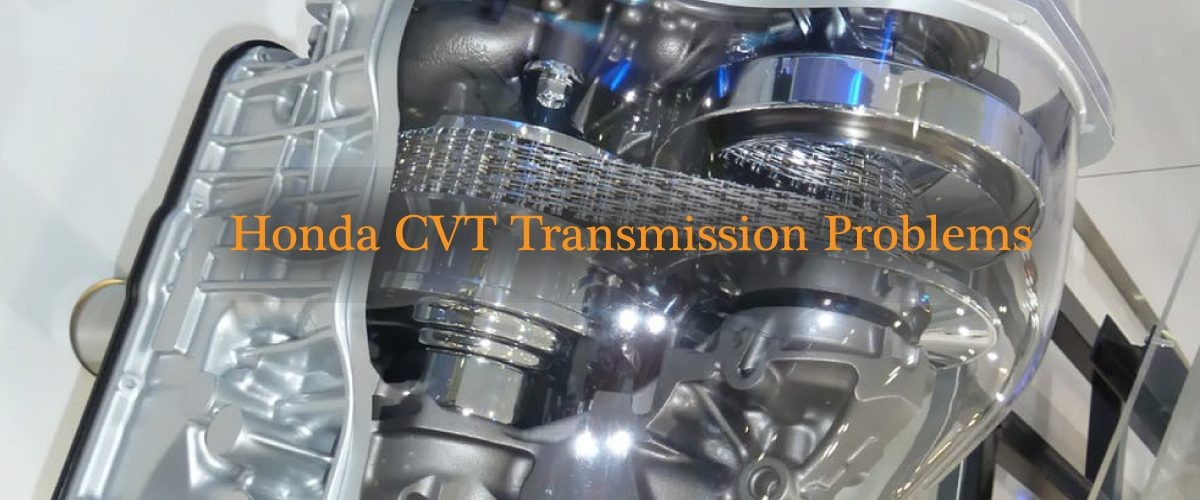
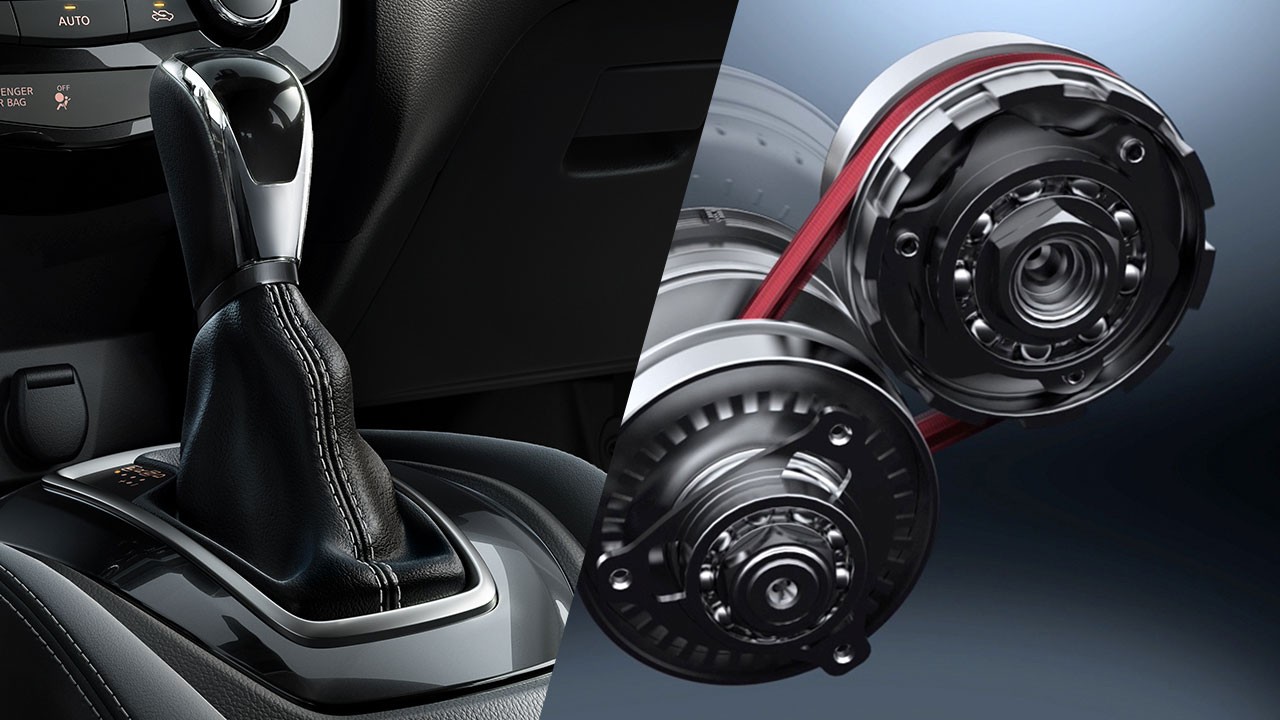
Instead of fixed gears, a CVT uses a steel belt or chain running between two variable-width pulleys, giving an infinite range of ratios. That improves fuel economy and gives smooth, stepless acceleration, which is why Nissan adopted CVTs across much of its lineup, including the Altima.
The trade-off is that a CVT runs its belt and pulleys under high clamping pressure and generates a lot of heat. When the fluid that carries that load and that heat degrades, problems follow, and that is the root of most Altima CVT complaints.
Common Altima CVT Problems and Symptoms
| Symptom | What owners describe |
|---|---|
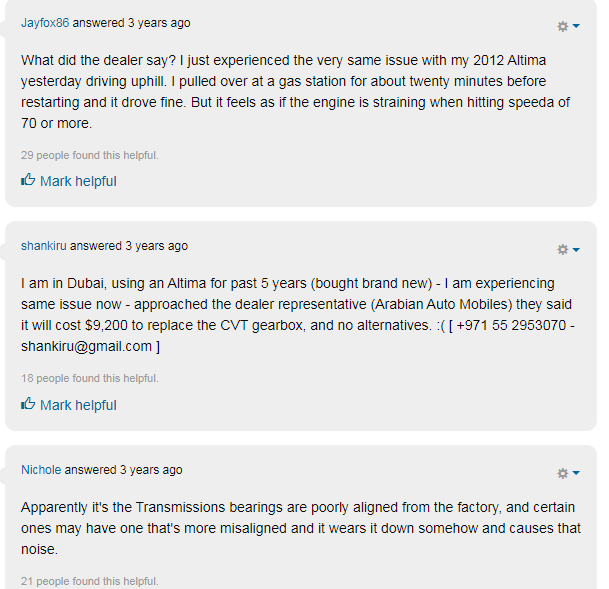
| Shuddering / juddering | A shake or vibration during light acceleration, like driving on rumble strips |
| Jerking or hesitation | The car lurches or hesitates when you press the gas |
| Whining or rattling noise | A rising whine with engine speed or a rattle under load |
| RPM flaring | Engine revs climb without matching acceleration, like a slipping clutch |
| Overheating / limp mode | The car loses power and warns of CVT overheating, often on hills or in heat |
| Delayed engagement | A pause before the car moves after selecting Drive |
The shudder and the overheating-into-limp-mode behaviors are the two most reported, and both point back to fluid and heat.
Which Model Years Are Affected
CVT complaints on the Altima cluster most heavily around the 2013-2018 model years, with earlier 2007-2012 cars also drawing some. Nissan made running improvements over time, and later model years are generally more robust, but any CVT-equipped Altima benefits from careful fluid maintenance. If you are buying used, the CVT history and any extended-warranty status should weigh heavily in your decision.
What Causes Altima CVT Failures
- Fluid overheating and breakdown: The number-one factor. CVT fluid carries enormous clamping loads and heat; when it overheats (towing, hills, hot climates, stop-and-go) it breaks down, and degraded fluid accelerates wear and triggers shudder and slipping.
- Belt and pulley wear: Over time the steel belt and pulley surfaces wear, causing slipping, whining, and flaring.
- Valve body / hydraulic faults: The valve body controls pulley pressure; faults cause harsh or erratic behavior and codes.
- Inadequate cooling: Some setups struggle to keep fluid temperatures down under load, which is why added cooling is a common remedy.
- Deferred maintenance: Going too long without fluid service dramatically shortens CVT life.
How These Problems Get Fixed
- Scan for codes and check for CVT overheat events stored in the computer.
- Service the CVT fluid with the correct Nissan NS-series fluid. Fresh, correct fluid resolves or reduces many shudder and slip complaints, especially when caught early. Never substitute a generic ATF.
- Add or upgrade cooling if the car overheats the CVT under load; better cooling extends fluid and component life.
- Software updates: Check for any applicable reprogramming that improves CVT behavior.
- Valve body service for hydraulic-related faults.
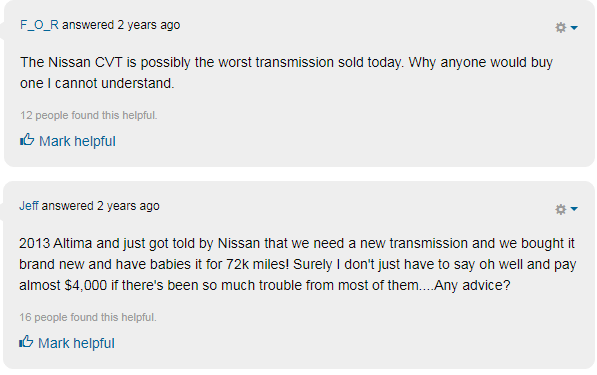
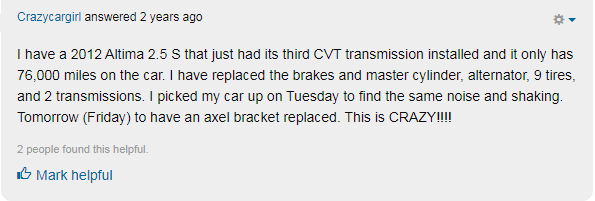
- CVT replacement or rebuild when the belt and pulleys are worn or the unit has failed, this is the expensive worst case, which is why warranty coverage matters so much.
The earlier you act on symptoms, the more likely a fluid service prevents a full replacement.
Extended Warranty Coverage
Because of the volume of CVT complaints, Nissan extended the CVT warranty on many affected vehicles beyond the standard powertrain term. Coverage specifics vary by model year and market, so the smart move is to contact a Nissan dealer with your VIN and ask whether your Altima has any extended CVT coverage or applicable campaign. A covered repair can turn a four-figure bill into no cost, so always check before paying out of pocket.
How to Make a CVT Last Longer
- Service the fluid regularly, and more often than the “lifetime” myth suggests, especially in heat or hilly terrain.
- Use only the correct Nissan CVT fluid.
- Avoid overheating: ease off on long climbs, do not tow beyond the rating, and consider added cooling in hot climates.
- Let it warm up briefly in very cold weather before hard acceleration.
- Address symptoms early: a small shudder caught now can save a transmission later.
Frequently Asked Questions
Q: Why does my Nissan Altima shudder when accelerating?
A: A shudder or judder during light acceleration is one of the most common Altima CVT symptoms, and it usually traces to degraded or overheated CVT fluid and wear in the belt-and-pulley system. Servicing with the correct Nissan CVT fluid often reduces or resolves it when caught early. If it persists after a fluid service, the transmission needs a closer inspection.
Q: What years of Nissan Altima have CVT problems?
A: Complaints cluster most heavily around the 2013-2018 model years, with some earlier 2007-2012 cars affected as well. Nissan improved the design over time, so later years are generally more robust. If you are buying a used Altima, check the CVT service history and whether it has any extended-warranty coverage.
Q: Is it safe to drive with a CVT overheating warning?
A: No, not while it is overheating. The Altima reduces power to protect the transmission, so pull over safely and let it cool, especially on a long climb or in hot weather. Repeated overheating breaks down the fluid and damages the CVT. If it overheats regularly, have the fluid serviced and the cooling evaluated.
Q: How much does it cost to fix or replace an Altima CVT?
A: A fluid service is relatively inexpensive and can resolve early symptoms. A full CVT replacement is the expensive worst case and can run into the thousands. This is exactly why you should check whether your Altima has Nissan’s extended CVT warranty coverage with your VIN before paying, a covered replacement may cost you nothing.
Q: Can I just change the CVT fluid myself?
A: You can service the fluid if you use the exact Nissan NS-specification CVT fluid and follow the correct fill and level procedure, which is more particular than a regular automatic. Never substitute generic ATF, as the wrong fluid can quickly damage a CVT. If you are unsure about the level-check procedure, have a shop do it.
Q: Does the Altima CVT have a whining noise normally?
A: CVTs do make a different sound than geared automatics, including a steady drone under acceleration, which is normal. A rising whine that grows louder over time, or a new rattle under load, is not normal and suggests belt-and-pulley wear or low or degraded fluid. Have it inspected if the noise is new or worsening.
Sources & References
- Nissan service information for Jatco CVT (NS-series fluid specifications and procedures)
- Nissan extended CVT warranty communications (VIN-specific; confirm with a dealer)
- NHTSA complaint database for the Nissan Altima (nhtsa.gov)
- Owner-reported reliability data and repair cost references
Related articles on CarsDailyHub:
– Transmission and Drivetrain: Complete Guide
– Nissan Rogue CVT Transmission Problems
– Honda CVT Transmission Problems
– Should You Change Transmission Fluid After 100k Miles?